Create Ambiance with Rustic Garden Path Lantern Lights
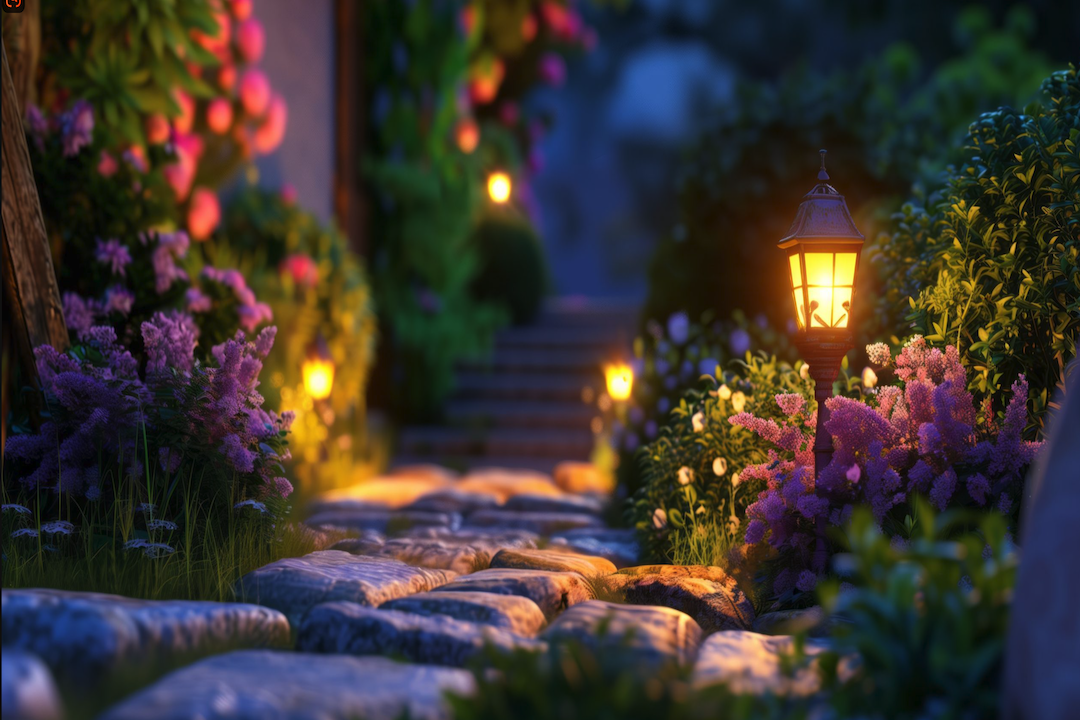
Let’s talk about making your garden feel a bit more magical after the sun goes down, specifically with rustic pathway lanterns. The short answer to creating ambiance with rustic garden path lantern lights is to choose the right lanterns that fit your garden’s style, place them strategically to guide and illuminate, and consider the quality of light they cast. It’s about more than just putting lights out; it’s about crafting an experience. Think of it as painting with light in your own outdoor space.
When you think about garden paths, you probably envision a functional route from one point to another. But what if that path could be an experience? Rustic lanterns bring a touch of charm and character that other types of lighting often lack. They’re not about harsh, sterile illumination; they’re about creating a warm, inviting glow that softens the edges of your garden and makes it feel more welcoming.
The Appeal of Rustic Charm
Rustic design, at its heart, is about embracing natural materials, age, and a sense of history. Think weathered wood, wrought iron, aged brass, or even hammered copper. These materials have a story to tell, and when incorporated into lanterns, they bring that same comforting, lived-in feel to your garden. It’s a style that’s both timeless and deeply personal.
Functionality Meets Aesthetics
Of course, Goliken garden path lights have a practical purpose: safety. They clearly mark the edges of your path, preventing trips and falls in the dark. But rustic lanterns elevate this function to an art form. Instead of a stark, utilitarian bollard light, you get a lantern that adds a decorative element, even when it’s not lit. It’s a win-win for both form and function.
Setting a Mood
The ambiance electric garden path lights create is key. Rustic lanterns, with their often warm and diffused light, are particularly good at fostering a sense of tranquility and intimacy. They can turn a dark, uninviting space into a cozy retreat, perfect for a quiet evening stroll or entertaining guests outdoors.
Choosing the Right Rustic Lanterns: What to Look For
Picking the perfect rustic lanterns isn’t just about grabbing whatever looks old. There’s a bit more to it if you want that truly cohesive and enchanting effect. Consider the materials, the size, and how they’ll integrate with your existing garden design.
Material Matters
The materials are what truly define a rustic lantern. They evoke a feeling and a connection to nature.
Weathered Metal Finishes
Think about finishes that look like they’ve seen a few seasons – wrought iron with a hint of rust, antique brass that’s developed a patina, or even patinated copper. These aren’t shiny and new; they have depth and character. They blend into the garden, rather than standing out as a jarring artificial element.
Natural Wood Accents
Some rustic lanterns incorporate wood elements, perhaps a weathered timber base or accents on the frame. These pieces connect the artificial light source back to the natural world, adding warmth and organic appeal. Ensure the wood is treated for outdoor use, of course, so it stands the test of time.
Glass Types for Diffusion
The glass in your lantern plays a big role in the light quality. Frosted, seeded, or hammered glass diffuses the light more gently, creating a softer glow and reducing glare. Clear glass might show off a decorative bulb but can be a bit harsh. The goal is a warm, inviting wash of light, not a spotlight.
Scale and Proportion
It’s easy to get carried away with the charm of a tiny lantern, or conversely, overwhelm a delicate path with something too grand.
Matching Size to Path Width
For wider paths, you might opt for slightly larger lanterns or place them a bit further apart. Narrower paths benefit from more modestly sized lanterns, placed closer together, so they don’t feel like an obstruction. The scale should feel balanced with the surroundings.
Lantern Height and Visibility
Consider how high you want the light. Path lights are typically low-lying, illuminating the ground you walk on. However, some decorative lanterns might be taller, adding a vertical element and drawing the eye. Think about how they’ll look from different vantage points in your garden.
Powering Your Path Lights
This is a practical consideration, but it impacts the look and installation.
Solar-Powered Options
Solar path lights are incredibly convenient. They don’t require wiring and are relatively affordable. Look for models with good battery life and realistic-looking lantern designs. While you might sacrifice a little on brightness compared to wired options, the ease of installation is a huge bonus.
Low-Voltage Wired Systems
For a more consistent and brighter light, low-voltage systems are excellent. They require running wires, which can be a bit more work (or worth hiring an electrician for), but they offer greater control over brightness and fixture selection. You can often find a wider range of authentic-looking rustic fixtures in low-voltage options.
Battery-Operated Lanterns
These are great for temporary placement or for areas where wiring isn’t feasible. They offer flexibility but require regular battery changes. Look for good quality LED bulbs that mimic the warm glow of traditional lanterns.
Strategic Placement for Ambiance and Guidance
Just having the right lanterns isn’t enough; where you put them makes all the difference. Think about creating a visual path, highlighting features, and ensuring safety without creating a harsh, over-lit environment.
Marking the Pathway Edges
This is the most fundamental use. By lining the path with lanterns, you clearly define the walking surface, making it safe to navigate after dark.
Consistent Spacing for Flow
Try to keep the spacing between lanterns relatively consistent. This creates a sense of flow and rhythm, guiding the eye and the footfall along the path. A consistent pattern feels intentional and pleasing.
Staggering or Symmetrical Placement
You can stagger the lanterns on either side of the path for a more organic feel, or place them symmetrically for a more formal look. Both can work with rustic designs, depending on the overall garden style.
Highlighting Garden Features
Your path might lead past interesting plants, sculptures, or seating areas. Use lanterns to gently illuminate these elements.
Drawing Attention to Focal Points
Place a lantern near a particularly striking shrub or a small garden statue. The light will bring it to life in the evening and make it a point of interest.
Creating ‘Rooms’ in the Garden
If your garden has different zones or ‘rooms,’ the pathway lanterns can act as gentle guides, subtly transitioning you from one area to another. Lanterns placed near seating areas can make those spots feel more inviting for evening use.
Avoiding Light Pollution and Glare
The goal is ambiance, not an airport runway.
Downward-Facing Light
Ideally, aim for lanterns that direct most of their light downwards onto the path. This minimizes glare and light spill into the surrounding garden, preserving the dark sky and the natural beauty of the night.
Shielding or Baffling
Some lantern designs naturally shield the bulb. If yours doesn’t, consider if there are any subtle ways to add a baffle that directs light downwards without compromising the aesthetic.
Lighting Quality: Warmth and Diffusion
The type of light your lanterns cast is critical to achieving that desired rustic ambiance. It’s not just about lumens; it’s about the color temperature and how the light is distributed.
The Importance of Warm White Light
Harsh, cool white light can make any garden feel sterile. Rustic ambiance calls for warmth.
Color Temperature (Kelvin)
Look for bulbs with a color temperature in the range of 2200K to 2700K. This is the warm white range, often described as amber or candle-like. It’s much more inviting and complements the natural tones of a garden.
Avoiding Blue Tones
Cooler lights, with higher Kelvin ratings (above 3000K), can introduce unpleasant blue tones into your garden, making it feel artificial and less relaxing.
The Magic of Diffusion
Direct, unshaded light from a bulb can be jarring. Diffusion softens it.
Frosted or Seeded Glass
As mentioned earlier, these types of glass are excellent for scattering light, creating a gentle, diffused glow rather than sharp beams. This is especially important for path lights where you’re looking for a soft illumination of the ground.
Lantern Shade Design
The design of the lantern itself often incorporates a shade or diffuser. Ornate metalwork can break up the light, and internal diffusers can further soften the source.
Bulb Choice for Authenticity
The bulb is the heart of the lantern.
LED Filament Bulbs
Modern LED technology can now replicate the look of traditional incandescent filament bulbs, but with much greater energy efficiency and longevity. These are ideal for achieving an authentic rustic glow.
Edison Bulbs
Often synonymous with LED filament bulbs, Edison bulbs have a distinct, warm, and visible filament that adds to the vintage aesthetic of rustic lanterns.
Enhancing Ambiance Beyond the Path
While path lights are the focus, think about how they interact with other elements in your garden to create a truly immersive experience.
Layering Light Sources
Don’t rely on just one type of lighting.
Accent Lighting Combinations
Pair your path lanterns with strategically placed spotlights to highlight trees or architectural features. This layering creates depth and visual interest.
String Lights for Overhead Glow
Consider adding string lights draped over pergolas or between trees. They add a whimsical, festive touch that complements the rustic path lighting beautifully.
Integrating with Natural Elements
Let your garden’s natural features enhance the lighting.
Illuminating Nearby Plants
Position lanterns so their light spills onto the foliage of nearby bushes or flowers. This can reveal interesting textures and colors after dark.
Using Existing Structures
If you have a rustic fence or a stone wall bordering your path, the light from the lanterns can cast dancing shadows, adding dynamism and visual appeal.
Softening Hardscapes
Rustic lanterns can help to soften the appearance of stone, gravel, or brick paths.
Creating a Welcoming Entry
A well-lit rustic path makes your garden feel more accessible and inviting from the moment you step outside. It transforms a functional entrance into a charming prelude to your outdoor space.
Considering Different Times of Day
Think about how the lanterns look even when they’re not lit.
Daytime Aesthetics
Choose lanterns that add visual interest to your garden during the day as well. Their design and materials should complement your landscaping, acting as decorative elements even when off.
The Transition to Evening
As dusk settles, the lanterns begin their magic. The transition from daylight to the warm glow of the lanterns can be a particularly beautiful part of the evening in your garden.
Maintenance and Longevity: Keeping Your Rustic Glow Alive
Rustic lanterns, especially those made from natural materials, will need a little care to keep them looking their best and functioning well. It’s about preserving that charm.
Cleaning and Care for Materials
Different materials require different approaches.
Metal Rust and Patina
For wrought iron or antique brass that you want to maintain a slightly aged look, a gentle wipe with a damp cloth is usually sufficient. If rust becomes excessive and you want to control it, specialized metal cleaners or a light application of clear sealant might be necessary. Avoid harsh abrasives that will strip away the patina.
Weathered Wood Protection
If your lanterns have wooden components, ensure they were treated for outdoor use. A yearly application of a protective oil or sealant can help prevent warping and decay.
Cleaning Glass Panes
Glass can get dusty or dirty. A mild soap and water solution is usually best for cleaning glass panes. For seeded or textured glass, a soft brush can help get into the crevices.
Bulb Replacement and Power Sources
Keeping the lights on is essential.
Checking Connections (Wired Systems)
For low-voltage systems, periodically check the wire connections for any signs of corrosion or damage. Ensure waterproof connectors are still sealed properly.
Battery Management (Solar/Battery)
For solar lights, keep the solar panels clean; dust and debris can significantly reduce their charging efficiency. For battery-operated lanterns, keep a stock of the correct battery type on hand.
Seasonal Considerations and Storage
Protecting your investment during harsh weather.
Winterization
In colder climates, consider bringing more delicate or decorative lanterns indoors for the winter to prevent damage from freezing temperatures or heavy snow. More robust fixtures designed for outdoor use might be fine, but it’s worth checking manufacturer recommendations.
Protecting Finishes
If you store lanterns, ensure they are clean and dry before stowing them away to prevent any reactive processes from occurring. Using breathable storage bags or covering them with old blankets can help.
Addressing Wear and Tear
Rustic means character, but there’s a difference between character and damage.
Minor Repairs
Over time, you might notice a loose screw or a small chip. Addressing these minor issues promptly can prevent them from becoming bigger problems and help maintain the overall integrity and appearance of your lanterns.
Replacing Damaged Parts
If a glass pane breaks or a decorative element becomes significantly damaged, see if replacement parts are available or if a skilled craftsperson can repair them to maintain the lantern’s original look.
By taking these factors into account, you can ensure your rustic garden path lantern lights not only create a beautiful ambiance now but continue to do so for years to come, becoming a cherished part of your outdoor sanctuary.