Enhance Your Living Room with an Arched Oversized Floor Lamp
So, you’re looking to upgrade your living room lighting, and an arched oversized floor lamp has caught your eye? Good call. These lamps are fantastic for adding both style and practical illumination to a space, especially if you’re dealing with a larger room or need to brighten a specific area without installing ceiling fixtures. They bring a touch of architectural interest and a really pleasant, diffused light.
It’s easy to think of a lamp Hozodesign as just something that makes a room brighter. While that’s its primary job, an arched oversized floor lamp does so much more. It’s a statement piece, a decorator’s secret weapon, and a surprisingly versatile fixture.
Making a Statement and Adding Visual Interest
Let’s be honest, some lamps just blend in. Not these. The graceful curve and substantial size of an arched oversized floor lamp instantly draw the eye. It’s like a piece of art that also happens to light your room.
- Architectural Element: The arch itself introduces a fluid, organic shape into a room that might otherwise be full of straight lines and sharp angles. This contrast creates a more dynamic and visually engaging space.
- Focal Point Creation: Due to its size and unique form, this type of lamp naturally becomes a focal point. It can anchor a seating area or define a cozy nook, giving the room a clear structure.
- Beyond the Basic: Instead of a standard, straight floor lamp that disappears into a corner, an arched lamp adds a layer of design sophistication. It shows you’ve put thought into your space.
Practical Illumination for Tricky Spots
Beyond its good looks, the arch design is incredibly functional. It solves common lighting dilemmas that traditional lamps often can’t.
- Overhead Light Without Installation: Ever wish you had a pendant light over your sofa or coffee table but don’t want to deal with electrical work? An arched lamp offers a fantastic workaround. Its arm extends over your furniture, directing light precisely where you need it.
- Filling Large Spaces: Oversized rooms can feel cavernous with inadequate lighting. The broad reach of an arched lamp helps fill these larger areas with a warm glow, making them feel more inviting.
- Task Lighting for Reading or Hobbies: Positioned over an armchair or a segment of a sofa, the light from an arched lamp is perfect for reading, knitting, or any activity that requires focused illumination without the harshness of a direct desk lamp.
Space-Saving Solutions
Even though these lamps are “oversized,” their design can actually be a space-saver in certain contexts.
- Base Near Wall, Light in Center: The base of the lamp can sit close to a wall, out of the main traffic flow, while the arch brings the light source into the center of the room – over a coffee table, for example. This is brilliant for optimizing floor space.
- Eliminating Side Tables: If your sofa is too long for end tables on both sides, an arched lamp can provide light over the center, negating the need for an additional surface just for a lamp. This keeps things cleaner and less cluttered.
Choosing Your Perfect Arch: Style and Design Considerations
Just like picking out a sofa or a coffee table, selecting an arched oversized floor lamp involves more than just liking the look. You need to consider how it fits into your existing decor and what kind of vibe you’re aiming for.
Material Matters: Base, Pole, and Shade
The materials used in your lamp will heavily influence its overall aesthetic and how it feels in your room.
- Metal Finishes:
- Brushed Steel/Chrome: Modern, sleek, often found in minimalist or industrial designs. Refined and cool-toned.
- Brass/Gold: Adds warmth, luxury, and a touch of vintage glamour. Works well with classic, mid-century modern, or bohemian styles.
- Bronze/Black: More rustic, industrial, or contemporary. Creates a stronger contrast and a grounded feel.
- Copper: Unique and warm, often leans into industrial chic or eclectic styles.
- Shade Materials:
- Fabric (Linen, Cotton): Provides a soft, diffused light, ideal for creating a warm and inviting ambiance. Common in mid-century or transitional designs.
- Metal (Often the same as the pole): Directs light more specifically, can create interesting patterns or add an industrial touch.
- Acrylic/Plastic: Can be modern and sleek, sometimes used for a more sculptural look.
- Glass: Offers very direct light, sometimes clear for a focused beam, or frosted/tinted for a softer glow.
- Base Weight and Stability: Given the arch and potential reach of these lamps, a heavy, stable base is absolutely crucial. You don’t want your lamp tipping over. Look for marble, concrete, or solid metal bases.
The Arch’s Curve: From Subtle to Dramatic
Not all arches are created equal. The degree of the curve can significantly alter the lamp’s presence.
- Gentle Sweep: A more subtle curve might be better for smaller rooms or for a less impactful statement. It still provides the reach but doesn’t dominate the space as much.
- Dramatic Arch: A deeper, more pronounced curve makes a bolder statement and works well in larger rooms or when you want the lamp to be a true focal point. Think of the iconic arc of a ’60s-era lamp.
- Adjustable Arc: Some lamps offer an adjustable arm, allowing you to change the height or the reach of the lamp. This provides fantastic flexibility, especially if you move furniture around often.
Shades of Style: Matching Your Decor
The shade is essentially the “head” of your lamp and plays a big role in its personality.
- Drum Shade: Classic and versatile. Works in almost any decor, providing a balanced, diffused light.
- Dome Shade (Metal): Often associated with industrial or mid-century modern styles. Directs light downwards for more focused illumination.
- Conical Shade: Tapered, can be sleek and modern or add a retro flair depending on the material.
- Geometric Shades: More contemporary, adding a sculptural element with interesting angles.
Placement Perfection: Where to Put Your Arched Lamp
Getting the placement right is key to maximizing both the aesthetic and functional benefits of your arched oversized floor lamp. It’s not just about finding an empty corner.
Over the Sofa or Sectional
This is perhaps the most classic placement and for good reason. An arched lamp here brilliantly solves the problem of lighting a seating area without a ceiling fixture or overwhelming the space with too many side lamps.
- Centering the Light: Position the base behind or beside one end of the sofa, allowing the arch to extend over the center. This provides even illumination for the entire seating area.
- Reading Nook Creation: If you have a specific reading spot on your sofa, aim the light directly over that section.
- Coffee Table Illumination: The light can also arc over your coffee table, highlighting decor and providing ambient light for social gatherings.
Defining a Reading Corner
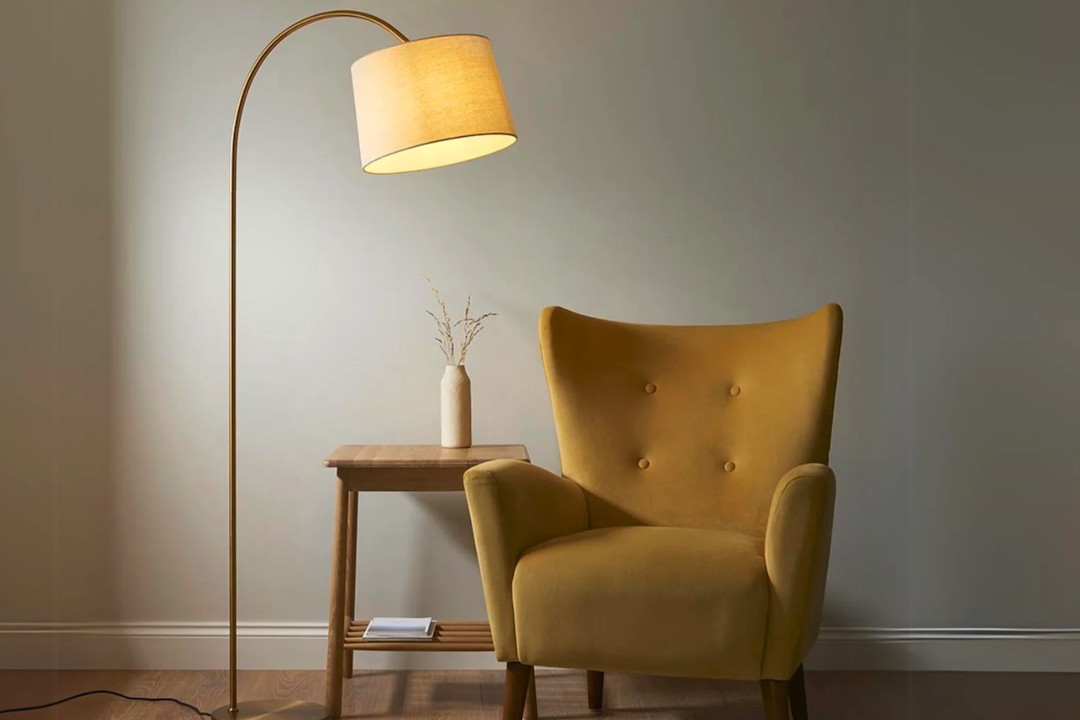
Every living room benefits from a dedicated reading nook. An arched lamp is an ideal partner for an armchair.
- Optimal Light for Pages: The arch allows the light to come down from above and slightly in front of you, minimizing shadows and glare on your reading material.
- Cozy Ambiance: The diffused glow from the lamp creates a warm and inviting atmosphere, perfect for unwinding with a book.
- Pair with an Armchair and Small Table: Complete the setup with a comfortable armchair and a small side table for your drink or book.
Accenting Artwork or a Feature Wall
While not its primary function, an arched lamp can subtly draw attention to other elements in your room.
- Subtle Spotlighting: If you have a striking piece of art or a textured feature wall, positioning an arched lamp nearby can cast a soft glow that enhances its presence without being too direct or harsh.
- Layered Lighting: Use it as part of a layered lighting scheme where general ambient light is complemented by the more focused light of the arched lamp.
In Open Concept Spaces
Open-plan living can be challenging to light effectively. An arched lamp can act as a visual delineator.
- Zoning a Space: By placing an arched lamp over a specific seating arrangement within a larger open area, you subtly define that zone, making the space feel more curated and less expansive.
- Connecting Areas: The lamp’s arc can also visually connect two different areas, like a living room and dining area, by providing a cohesive light source.
Lighting It Up: Bulbs, Dimmers, and Ambiance
The type of bulb you choose and whether you incorporate a dimmer will massively impact the functionality and feeling of your arched lamp. Don’t overlook these details!
Choosing the Right Bulb
This isn’t just about lumens; it’s about color temperature and type.
- LED (Light Emitting Diode):
- Efficiency: LEDs are incredibly energy-efficient and long-lasting, saving you money in the long run.
- Color Temperature (Kelvin): This is crucial.
- Warm White (2700K – 3000K): Mimics traditional incandescent bulbs, creating a cozy, inviting, and relaxing atmosphere. Ideal for living rooms.
- Cool White (3500K – 4100K): Brighter, more energetic light, often found in kitchens or workspaces. Generally too harsh for a relaxing living room.
- Daylight (5000K – 6500K): Very bright, almost blue-white light. Not recommended for living rooms unless you’re aiming for a very sterile, highly functional space.
- Dimmable LEDs: Make sure your chosen LED bulbs are compatible with a dimmer switch if you plan to use one. Not all are.
- Incandescent (Traditional):
- Warmth: Known for their natural, warm glow.
- Inefficiency: Consume a lot of energy and have a shorter lifespan. Being phased out in many places.
- Heat: Generate a significant amount of heat.
- CFL (Compact Fluorescent Lamp):
- Efficiency: More efficient than incandescent, but less than LED.
- Warm-up Time: Can take a moment to reach full brightness.
- Recycling: Contain mercury and require proper recycling. Generally fallen out of favor for home use.
The Power of Dimmers
A dimmer switch transforms your lamp from a single-purpose light source into a versatile ambiance creator.
- Mood Control: Easily adjust the light level to suit the occasion – bright for reading, soft for movie night, or a subtle glow for conversation.
- Energy Savings: Dimming your lights reduces energy consumption, further extending the life of your bulbs.
- Comfort: Prevents harsh overhead lighting, allowing your eyes to adjust gradually.
- Integrated vs. External: Some arched lamps have dimmers integrated into their base or pole. For others, you might use a plug-in dimmer for a standard outlet.
Creating Layers of Light
Your arched lamp shouldn’t be the only light source in the room. Think about how it complements other fixtures.
- Ambient Lighting: This is your general overhead light (ceiling fixture, recessed lights) that provides overall brightness.
- Task Lighting: This is specific, focused light for activities like reading (your arched lamp excels here).
- Accent Lighting: This highlights specific features like artwork or architectural details (small spot lights, picture lights).
- Decorative Lighting: Lamps that primarily serve aesthetic purposes (candlelight, fairy lights).
An arched lamp can perform both ambient and task lighting roles, providing a warm wash of light when dimmed, and focused task lighting when turned up.
Maintenance and Care for Longevity
Like any piece of furniture or decor, a little care goes a long way in keeping your arched oversized floor lamp looking its best and functioning properly for years to come.
Regular Cleaning
Dust and grime can dull the finish and even impact light output.
- Dusting: Regularly dust the metal pole and base with a soft, dry cloth. Microfiber cloths are excellent for this as they capture dust without scratching.
- Shade Cleaning:
- Fabric Shades: Use a lint roller or the brush attachment of your vacuum cleaner on a low setting to remove dust. For minor spots, a slightly damp cloth with mild soap can work, but test in an inconspicuous area first. Allow to air dry completely.
- Metal/Glass/Acrylic Shades: Wipe with a damp cloth and mild cleaner, then dry thoroughly to prevent water spots.
- Bulb Cleaning: Periodically wipe down your light bulbs (when off and cool!) to remove dust, which can actually trap heat and reduce light output.
Checking Connections and Stability
Given the size and potential movement of some arched lamps, it’s a good idea to periodically check its components.
- Tighten Connections: Over time, screws and connections can loosen. Gently check the stability of the base and the pole assembly. Tighten any visible screws with the appropriate screwdriver. Be careful not to overtighten, especially with metal components, to avoid stripping.
- Cord Inspection: Regularly inspect the electrical cord for any fraying, cracks, or damage, especially where it meets the lamp base and the plug. If you notice any damage, consult an electrician or consider replacing the lamp for safety.
- Base Stability: Ensure the heavy base is sitting flat on the floor and is not wobbling. If it is, check for any unevenness in the floor or the base itself.
Protecting Your Investment
A few simple precautions can help preserve your lamp’s appearance.
- Avoid Harsh Cleaners: Stick to mild soaps and water or specific metal/material cleaners if necessary. Abrasive cleaners can scratch or damage finishes.
- Placement Away from High Traffic: While they can define spaces, try to position the base (and sometimes the arch itself, depending on the room layout) out of direct paths where people might bump into it frequently. This prevents accidental knocks and potential damage.
- Sunlight Exposure: If your lamp has a fabric shade or other materials that might fade, consider its proximity to direct sunlight, which can cause discoloration over time.
By keeping these practical tips in mind, you’ll ensure your arched oversized floor lamp remains a stunning and functional addition to your living room for many years to come, providing both brilliant light and enduring style.