Create Cozy Vibes with a Nordic Feather Wall Lamp in Your Living Room Corner
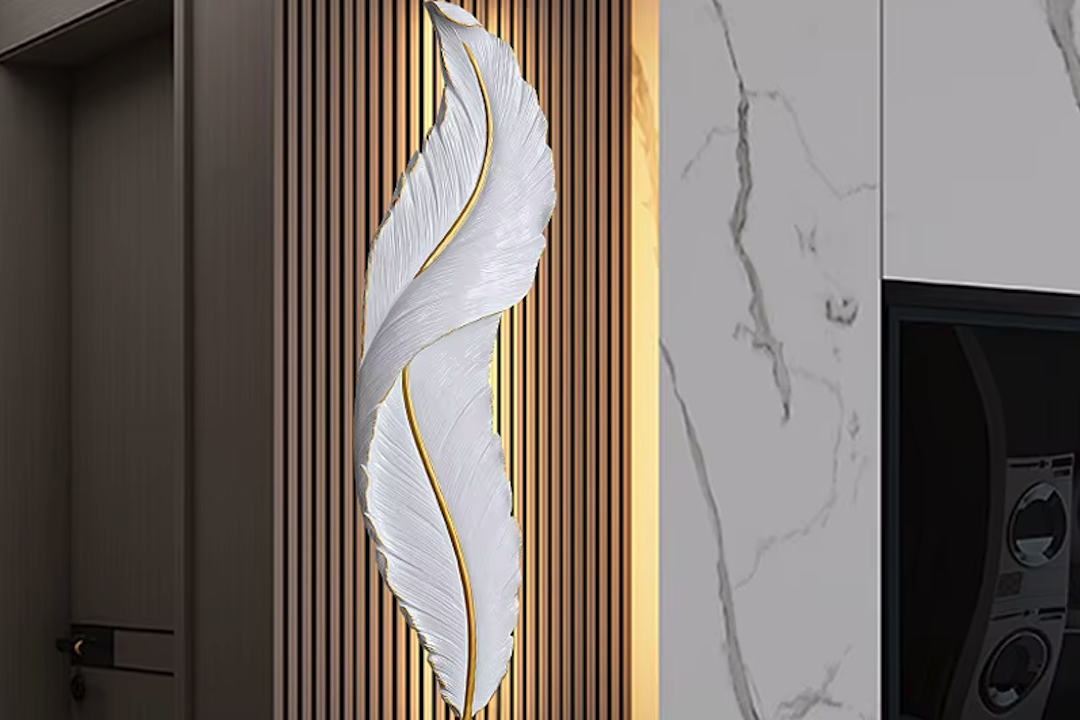
You’re looking to elevate your living room’s comfort factor, and a Nordic feather wall lamp in your corner is a fantastic way to do it. These lamps aren’t just about light; they’re about softening the space, adding texture, and creating a truly inviting atmosphere. Think less harsh overhead glare and more gentle, diffused illumination that makes you want to curl up with a good book. They’re a practical choice for filling an often-underutilized corner with both light and a touch of effortless style.
Choosing a feather lamp Annasonic for that tricky living room corner isn’t just about aesthetics; it’s about strategic design. Corners can often feel neglected or awkward, but with the right lighting, they transform into focal points.
Soft, Diffused Light
The primary benefit here is the light quality. Feathers naturally soften and diffuse the light source, casting a warm, ambient glow rather than a direct, often harsh, beam. This is crucial for creating that coveted “cozy” feeling. Imagine the difference between a spotlight and a gentle wash of light – that’s the effect you’re going for.
Adds Texture and Visual Interest
Beyond the light, feathers bring a unique textural element. Our homes often lack variety in textures, relying heavily on smooth surfaces. Introducing the delicate, feathery texture adds depth and visual interest, making the space feel more curated and less flat. It’s a subtle way to elevate your decor.
Space-Saving Solution
Wall lamps are inherently space-saving. Unlike floor lamps that take up precious floor real estate, a wall-mounted fixture keeps pathways clear and the aesthetic streamlined. In a corner, this is even more beneficial, as it utilizes vertical space efficiently without feeling intrusive.
Enhances the Nordic Aesthetic
If you’re already leaning towards a Nordic or Scandinavian style, a feather lamp is a natural fit. This design philosophy embraces natural materials, soft lines, and a sense of calm. The organic form and gentle illumination of a feather lamp perfectly align with these principles, reinforcing your chosen aesthetic.
Choosing the Right Feather Lamp
Not all feather lamps are created equal. To ensure you get the best fit for your living room corner, there are a few key considerations to keep in mind.
Size Matters – Visually and Practically
The size of the lamp is crucial. Too small, and it’ll get lost; too large, and it’ll overwhelm the corner.
How to Estimate Size
- Corner Dimensions: Take a moment to measure the available wall space in your corner. Consider both height and width.
- Proportion to Furniture: Look at the furniture near the corner (sofa, armchair, console table). The lamp should feel proportional to these items, not dwarfing them or being overshadowed by them. A general guideline is that the lamp should occupy roughly one-third to half of the vertical space you want to highlight.
- Visual Weight: Feathers can appear lighter than solid materials. A lamp that might seem large on paper could feel airy due to its construction. Look at product images of similar lamps in styled rooms to get a better sense of their actual visual impact.
Common Sizes and Their Impact
- Small (10-15 inches diameter): Ideal for very tight corners, above a small accent table, or as one of a pair. Provides more of an accent light.
- Medium (16-24 inches diameter): A versatile choice for most living room corners, offering a good balance of presence and light diffusion.
- Large (25+ inches diameter): Makes a significant statement. Best for larger living rooms or corners that need to be a strong focal point. Ensure you have enough empty wall space to accommodate it without it feeling cramped.
Feather Type and Quality
The type and quality of feathers significantly impact both the lamp’s appearance and its longevity.
Goose vs. Ostrich vs. Artificial
- Goose Feathers: These are the most common. They are soft, plump, and readily available, offering a classic, fluffy look. They tend to be durable if properly cared for.
- Ostrich Feathers: More luxurious and often longer and silkier, creating a more dramatic and elegant effect. They’re typically more expensive but offer a distinct visual appeal.
- Artificial Feathers: Made from synthetic materials, these can be a good option for those concerned about allergies or ethical sourcing. However, quality varies widely. High-quality artificial feathers can mimic natural ones well, but cheaper versions might look less realistic and feel less soft.
Ethical Sourcing and Durability
- Ethical Sourcing: If using natural feathers, look for brands that specify ethical sourcing practices (e.g., feathers collected during natural molting or from food industry by-products).
- Durability and Shedding: Good quality feather lamps are designed to minimize shedding. Expect a little initial shedding, but excessive shedding is a sign of poorer quality. Look for lamps where feathers are securely attached.
Color and Base Finish
While white is classic, other options exist.
Classic White Feather Lamps
White is the quintessential Nordic choice. It maximizes light reflection, feels airy, and blends seamlessly with most decor palettes. It’s safe, versatile, and contributes directly to the bright, open feel associated with Nordic design.
Subtle Color Variations
Some feather lamps come in very light, muted tones like pale grey, beige, or blush. These can add a hint of color without losing the soft, natural feel. Consider these if you have a very specific color scheme you want to subtly reinforce.
Base Material and Color
- Metal (Brass, Chrome, Black): The base (where the light bulb and wiring are) can be a strong design element. A brass finish adds warmth, chrome feels modern, and black offers a minimalist contrast. Ensure the base complements other metallic accents in your room.
- Wood: Wooden bases can enhance the natural, organic feel, especially if you have other wood elements in your living room.
Hardwired vs. Plug-In Options
This is a practical consideration that dictates installation.
Hardwired for a Seamless Look
- Pros: Concealed wiring for a clean, integrated finish. Often looks more permanent and custom.
- Cons: Requires electrical work (either an existing switch-controlled wire in the wall or hiring an electrician to install one). Less flexible if you want to move it later.
- Best For: New constructions, major renovations, or if you’re committed to the lamp’s placement.
Plug-In for Flexibility
- Pros: Easy to install (just mount it and plug it in). No electrician needed. Can be moved readily. Many come with an in-line switch on the cord.
- Cons: Visible cord, which might need to be managed with a cord cover for a neater look.
- Best For: Renters, DIY enthusiasts, or if you anticipate rearranging your furniture in the future.
Installation and Placement Tips
Getting the lamp on the wall is only half the battle. Strategic placement and clever tricks can truly make it shine.
Optimal Height for Wall Lamps
This isn’t a one-size-fits-all, but there are good starting points.
Eye Level When Seated
For ambient lighting, aim for the center of the light source (the bulb or the approximate mid-point of the feathery shade) to be roughly at eye level when you are seated on your sofa or armchair nearby. This helps distribute light comfortably without hitting you directly in the eyes. Typically, this means about 60-66 inches (150-168 cm) from the floor, but adjust based on your specific seating.
Over a Piece of Furniture (e.g., Side Table, Console)
If the lamp is “serving” a piece of furniture, like a side table or a small corner console, ensure there’s enough clearance above the furniture for the lamp not to look cramped. The bottom of the lamp shade should typically be at least 15-20 inches (38-50 cm) above the surface of the furniture to provide adequate light without feeling too low.
Managing Cords (for Plug-Ins)
Visible cords can detract from the aesthetic. Here’s how to make them disappear or blend in.
Cord Covers and Channels
- Adhesive Cord Covers: These are plastic channels that stick to the wall and enclose the cord. They come in various colors and can often be painted to match your wall. They create a clean, seamless look.
- Cable Clips: Smaller, less noticeable, and good for securing the cord neatly down the wall or along a baseboard.
- Concealers: Some creative solutions involve running the cord behind furniture or even carefully along the seam of a corner wall (if it’s not too noticeable).
Tucking Behind Furniture
Whenever possible, let gravity and furniture work for you. Route the cord directly down behind a sofa or accent chair if it leads conveniently to an outlet.
Pairing with Other Lighting
Don’t let your feather lamp work alone. A layered lighting scheme is key to a truly cozy room.
Ambient, Task, and Accent Lighting
- Ambient: Your feather lamp naturally provides this. It’s the general, soft illumination that sets the mood.
- Task: This is for specific activities. A floor lamp with a focused beam next to a reading chair or a desk lamp. Your feather lamp won’t serve this purpose well.
- Accent: Highlighting specific features, like artwork or shelving. Small spotlights or LED strips can do this.
Balancing Warmth and Brightness
- Warm White Bulbs: Always opt for warm white bulbs (2700K-3000K) for your feather lamp to maximize coziness. Cooler tones (3500K+) will negate the warm, inviting effect.
- Varying Light Sources: Combine the soft glow of your feather lamp with a couple of other light sources. Maybe a dimmable floor lamp, a small table lamp, or even fairy lights if appropriate for your style. The goal is to avoid relying on a single overhead light, which tends to be harsh.
Complementary Decor Ideas
The feather lamp is a star, but it needs a supportive cast to truly create that Nordic cozy vibe.
Natural Materials and Textures
Lean into the Nordic aesthetic by surrounding your lamp with other natural, tactile elements.
Wood, Wool, Linen, and Ceramics
- Wood: Incorporate light-toned wood in furniture (side tables, shelving) or decorative items (bowls, frames). The clean lines and natural grain of wood are essential.
- Wool and Linen: Think chunky knit throws draped over a sofa, linen pillows, or a textured natural fiber rug. These add warmth and softness.
- Ceramics: Hand-thrown ceramic vases, planters, or decorative bowls add an earthy, artisanal touch. Look for matte finishes and organic shapes.
Faux Fur and Sheepskin
For an extra layer of hygge, introduce faux fur throws or sheepskin rugs. These are incredibly soft and inviting, perfect for draping over an armchair or laying on the floor beside your cozy corner.
Soft Color Palettes
Nordic design is known for its calming color schemes.
Muted Tones (Greys, Whites, Beiges, Pastels)
- Greys: From light ash to charcoal, grey is a cornerstone of Nordic design. It’s versatile and sophisticated.
- Whites and Off-Whites: Create a sense of spaciousness and light. Crucial for reflecting the soft light from your lamp.
- Beiges and Creams: Add warmth and a natural feel without overpowering the space.
- Pastels: Very subtle hints of blush pink, sage green, or sky blue can add interest without disrupting the calm. Keep them muted and diluted.
pops of earth tones or deep blues/greens
If you want to add a touch more personality, do it sparingly and with natural inspiration.
- Earth Tones: A terracotta pot, a cushion in a burnt orange, or a small piece of abstract art with natural ochres.
- Deep Blues/Greens: A dark, moody green throw, a deep navy pillow, or a botanical print with natural greens can provide a grounding contrast to the lightness.
Greenery and Organic Shapes
Bring the outdoors in to enhance the natural feel.
Indoor Plants (Snake Plant, Fiddle Leaf Fig)
Plants add life, color, and improve air quality. Choose plants that thrive in indirect light if your corner isn’t flooded with sunshine. A snake plant or ZZ plant is very low maintenance. A taller plant like a small fiddle leaf fig or an olive tree can add height and architectural interest.
Dried Florals and Branches
If you don’t have a green thumb, dried pampas grass, eucalyptus, or other dried floral arrangements offer lasting texture and organic beauty without the maintenance. Simple branches in a tall vase can also create a striking, minimalist display.
Maintenance and Care
Keeping your feather lamp looking its best is straightforward. After all, you want that cozy vibe to last.
Dusting and Cleaning
Feathers can attract dust, but they’re easy to clean.
Gentle Dusting with a Microfiber Cloth or Duster
The primary method is regular, gentle dusting. Use a soft microfiber cloth, a feather duster, or a lambswool duster. Lightly swipe over the feathers, moving with the grain, to remove accumulated dust. Do this weekly or bi-weekly.
Using a Hair Dryer on a Cool Setting
For more stubborn dust or if you want to fluff the feathers a bit, use a hairdryer on its cool setting, held a foot or so away from the lamp. The gentle airflow will dislodge dust and help the feathers regain their loft. Never use heat, as it can damage or scorch the feathers.
Avoiding Damage
A little foresight can prevent common issues.
Keep Away from Direct Heat Sources
Avoid placing your feather lamp too close to radiators, heat vents, or actively burning fireplaces. Prolonged exposure to heat can dry out feathers, make them brittle, and potentially cause discoloration.
Mindful Placement (Pets and High Traffic Areas)
- Pets: If you have curious cats or dogs, consider their reach. Some pets might be tempted to bat at or chew on feathers. Placing the lamp higher up or in a less accessible corner can help.
- High Traffic Areas: While wall-mounted, ensure the lamp isn’t in a place where it’s likely to be brushed against repeatedly by people, which can flatten or damage feathers over time.
Bulb Replacement and Electrical Safety
Simple but important steps.
Using the Correct Wattage and Type
Always use the bulb type and wattage recommended by the manufacturer. Over-wattage can overheat the lamp fixture and potentially scorch feathers, especially with enclosed shades. LED bulbs are often a good choice as they run cooler and are energy-efficient.
Checking Wiring Periodically
For plug-in lamps, occasionally check the cord for any fraying or damage, especially where it plugs into the wall. For hardwired lamps, ensure the installation was done correctly and securely. If you notice any flickering or electrical issues, consult a qualified electrician.
By following these practical tips, you’ll not only introduce a beautiful Nordic feather wall lamp into your living room corner but also cultivate a truly inviting and visually harmonious space that oozes coziness. It’s about creating a personal sanctuary, and good lighting is a foundational step in that journey.