
Timeless Elegance: Danish Design Pendant Lamp for Dining Area
Let’s talk about Danish design pendant lamps for your dining area. If you’re wondering if they’re a good fit, the short answer is yes, they often are. Danish design, at its core, is about simplicity, functionality, and a deep appreciation for good materials. When applied to a dining room pendant, this translates into fixtures that can enhance your space without overpowering it, providing good light where you need it and adding a touch of understated style. It’s less about fleeting trends and more about creating a lasting, comfortable atmosphere.
Danish design isn’t just an aesthetic; it’s a way of thinking about how objects interact with our lives and our homes. For lighting, this means considering not just how a lamp looks, but how it illuminates Ninpodesign, how it affects the mood, and how it integrates into the everyday activities of a dining space.
Functionality First: Light Where You Need It
Before any lamp becomes a piece of art, it has to serve its purpose. For a dining area, that purpose is to provide sufficient, pleasant light for eating, conversation, and perhaps even homework or reading. Danish designers excel at creating lamps that deliver this illumination effectively.
Layering Light in the Dining Room
A pendant lamp is often the star, but good lighting is rarely a one-hit wonder. Consider how your pendant works with other light sources.
- Ambient Lighting: This is the general light in the room, usually from ceiling fixtures or wall sconces, setting the overall mood.
- Task Lighting: This is precisely what your dining pendant aims to be – focused light directly over the dining table.
- Accent Lighting: This could be a dimmer on your pendant for mood, or perhaps a small lamp on a sideboard to highlight a piece of art.
The Importance of Light Quality
It’s not just about brightness, but the quality of the light. Danish design often favors warm, diffused light that feels natural and inviting. Harsh, glaring light can make food look unappetizing and create an uncomfortable dining experience.
Simplicity and Subtlety: Less is More
One of the hallmarks of Danish design is its aversion to unnecessary ornamentation. You won’t typically find overly ornate details or flashy embellishments. Instead, the beauty lies in the clean lines, the balance of forms, and the thoughtful construction.
Clean Lines and Geometric Forms
Many Danish pendant lamps feature simple geometric shapes – circles, cylinders, cones, or elegantly curved shades. These shapes are timeless and blend easily with various interior styles.
Material Honesty
Danish designers have a deep respect for materials. You’ll often see high-quality woods, metals (like brass, copper, or brushed steel), and often hand-blown glass used in their lighting. The natural beauty of these materials is allowed to shine through.
Key Characteristics of Danish Pendant Lamps for Dining Areas
So, what specifically makes a Danish pendant lamp a good choice for your dining room? It boils down to a few recurring themes and design approaches that have stood the test of time.
Natural Materials and Textures
The tactile quality of materials is more important in Danish design than in many other styles. The feel and appearance of wood, the patina of metal, or the smooth surface of glass all contribute to the overall experience.
Wood Accents: Warmth and Natural Beauty
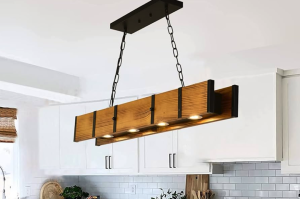
Many Danish pendant lights incorporate wood elements, often in the form of the lamp holder, a decorative top, or even a woven shade. This brings a sense of warmth and a connection to nature, which is highly valued in Scandinavian homes.
- Light Woods: Oak and ash are common, providing a pale, natural look that complements modern decor.
- Darker Woods: Walnut can add a touch of sophistication and depth.
Metal Finishes: Understated Sophistication
Metals are used skillfully, often with finishes that avoid high gloss or excessive shininess.
- Brushed or Matte Finishes: These are prevalent, offering a softer reflection and a more subdued look than polished chrome.
- Earthy Tones: Copper, brass, and even black metal are frequently seen, adding understated character.
The Importance of Light Diffusion and Glare Control
A well-designed pendant lamp shouldn’t just hang there looking pretty; it needs to illuminate your table effectively without causing discomfort to your diners. Danish designers pay close attention to how light is directed and softened.
Shielding the Light Source
Often, the bulb itself is partially or fully concealed by the shade. This is a crucial aspect of preventing direct glare. The shade’s shape and material play a vital role in this.
Indirect and Diffused Light
Many Danish pendants are designed to bounce light off surfaces or diffuse it through a shade, creating a softer, more ambient glow. This creates a more relaxed atmosphere, ideal for dining.
- Opal or Frosted Glass: These materials scatter light, making it softer and more even.
- Multi-Layered Shades: Some designs use multiple shades or deliberately angled elements to direct light downwards while minimizing harshness.
Iconic Danish Pendant Lamp Designs and Their Influence
While specific designer names might be familiar to some, the influence of their designs is widespread. These are not just lamps; they are archetypes that have shaped how we think about dining room lighting.
The Poulsen Legacy: A Masterclass in Soft Lighting
Louis Poulsen is a name synonymous with Danish lighting excellence. Their philosophy of creating “form follows function” and “light follows the human” has resulted in some of the most enduring pendant designs.
The PH Lamps: A Scientific Approach to Light
Poul Henningsen’s PH lamps are perhaps the most famous. These are engineered to emit a soft, glare-free light by using multiple shades arranged at specific intervals and angles.
- PH Artichoke: While often seen in larger spaces, its layered design is a testament to controlled illumination.
- PH 5: This iconic pendant is designed to provide light downwards, sideways, and upwards, creating a balanced and comfortable illumination over a table.
The Panthella by Verner Panton
Verner Panton’s Panthella lamp, with its distinctive trumpet-shaped base and organically flowing shade, is known for its soft, diffused, and upward-spreading light. While often seen as a table lamp, its pendant versions offer a similar atmospheric quality.
Other Influential Designers and Their Contributions
Beyond Poulsen, many other Danish designers have contributed significantly to creating beautiful and functional dining room lighting.
Arne Jacobsen’s Geometric Approach
Arne Jacobsen, known for his furniture, also designed lighting. His table and pendant lamps often feature clean, geometric shapes that complement his architectural work and furniture designs.
Børge Mogensen’s Practicality
Børge Mogensen’s focus was on creating durable, functional, and accessible furniture and lighting. His designs often feature simple forms and honest materials, making them practical for everyday use.
Choosing the Right Danish Pendant for Your Dining Area
Selecting a Danish pendant for your dining space involves considering more than just aesthetics. You need a lamp that complements your table, your room’s size, and your personal style.
Scale and Proportion: Getting the Size Right
The size of your pendant lamp is crucial. Too small, and it will look lost; too large, and it can overwhelm the space.
Pendant Size Relative to Table Size
As a general guideline, the shade of your pendant should be about half to two-thirds the width of your tabletop.
- Rectangular Tables: A single, larger pendant can work well centered, or two smaller pendants spaced evenly.
- Round Tables: A single, centered pendant is usually best.
Pendant Height Above the Table
The ideal hanging height is about 30-36 inches (75-90 cm) from the tabletop to the bottom of the shade. This ensures sufficient light for dining without being at eye level and creating glare when people are seated. You should be able to see over the shade when facing someone across the table in most cases.
Material and Finish Compatibility
Think about how the lamp’s materials will interact with your existing decor.
Matching or Complementing Your Table
If your dining table features wood, a pendant with wood accents can create a harmonious look. Metal finishes on a lamp can complement other metal elements in your room, such as chair legs or sideboard hardware.
Considering the Room’s Overall Style
While Danish design is versatile, consider your room’s existing style.
- Modern Interiors: Clean lines and minimalist designs will fit seamlessly.
- Transitional Spaces: A pendant with classic shapes and natural materials can bridge traditional and contemporary elements.
- Scandinavian-Inspired Homes: This is an obvious choice where Danish design truly shines.
The Enduring Appeal of Danish Design in Modern Homes
Danish pendant lamps for dining areas offer more than just a light source; they contribute to an atmosphere. Their focus on functionality, quality materials, and understated beauty ensures that they remain relevant and beautiful for years, transcending fleeting trends.
Creating Ambiance: More Than Just Illumination
The way a Danish pendant distributes light can significantly impact the mood of your dining room. The soft, often warm, and glare-free illumination promotes a sense of comfort and intimacy, making mealtimes more enjoyable.
The Psychological Impact of Light
Warm lighting has been shown to reduce stress and create a more relaxed, inviting environment, which is precisely what you want in a dining space. Avoid cool, clinical light.
Enhancing the Dining Experience
Good lighting can make food look more appealing and encourage conversation. A well-chosen pendant lamp can elevate the entire dining experience, turning a simple meal into a more special occasion.
Timelessness Over Trendiness
The core principles of Danish design ensure that these lamps don’t quickly go out of style. Their sophisticated simplicity means they can adapt to changing tastes and evolving interior schemes.
A Smart Investment
Because of their timeless appeal and quality construction, Danish pendant lamps are often a wise investment. They are built to last and retain their aesthetic value, unlike more trend-driven fixtures.
Versatility Across Decor Styles
While classic in their origins, many Danish pendant designs are remarkably versatile. They can lend a touch of sophistication to minimalist spaces, add warmth to industrial lofts, or complement the natural textures of bohemian or transitional interiors. This adaptability is a key reason for their enduring popularity.