Why Flush Mounts Matter in Older Homes – Highlighting the importance of flush mounts in older houses for improved lighting and aesthetic appeal.
Flush mount lighting often gets a bad rap, seen as a default, uninspired choice. But when it comes to older homes, these fixtures aren’t just practical; they’re often the best solution, dramatically improving both lighting and the overall feel of a space. Forget those dated, boob-shaped ceiling lights – modern flush mounts offer sleek designs, better light distribution, and solve several common dilemmas faced by owners of charming, but sometimes challenging, older properties.
Older homes, while brimming with character, come with their own set of architectural quirks and limitations. These aren’t just aesthetic preferences; they directly impact how you light Artodecor your home effectively.
Lower Ceiling Heights
It’s a common scenario: you step into a beautiful Victorian or Craftsman, and the ceilings feel… closer. Compared to modern builds with 9-foot-plus ceilings, older homes often feature 8-foot or even 7.5-foot ceilings, especially on upper floors or in secondary rooms.
- Headroom is King: Every inch counts. A bulky pendant or even a semi-flush fixture can make a room feel cramped, creating a visual barrier that shortens the perceived height. Worse, it can be a literal head-bonking hazard for taller individuals. Flush mounts hug the ceiling, preserving every precious inch of vertical space.
- Visual Flow: In rooms with lower ceilings, anything that hangs down too far can disrupt the visual flow, making the room feel choppy rather than expansive. Flush mounts maintain a clean, uninterrupted line across the ceiling.
Limited Electrical Boxes and Wiring
Rewiring an entire older home is a huge undertaking, often reserved for major renovations. More often, you’re working with existing electrical infrastructure, which can present some headaches.
- Small Junction Boxes: Older electrical boxes in ceilings were often smaller, designed for simpler, less robust fixtures. Modern, heavy, or multi-component light fixtures might struggle to fit, or require extensive (and costly) modification. Flush mounts are generally lighter and designed to attach directly to standard boxes.
- Lack of Recessed Lighting Options: Installing recessed lighting in an older home often means cutting into plaster and lath ceilings, dealing with varying joist depths, and navigating layers of insulation or even old wiring. This is invasive, messy, and expensive. Flush mounts provide a similar clean, integrated look without the structural overhaul.
- Two-Wire Systems: Some very old homes might still have two-wire electrical systems (no ground wire). While modern flush mounts generally require a ground, some simpler, lighter fixtures might be more adaptable, or the minimal weight and flush contact make them less of an electrical burden compared to heavy hanging fixtures. Always consult a qualified electrician for wiring concerns.
Architectural Details and Period Sensitivity
Older homes are defined by their unique architectural styles. From ornate plasterwork to intricate moldings, these details are part of the home’s charm and should be respected.
- Preserving Plasterwork: Decorative plaster medallions or cornices are common in older homes. Drilling into or covering these with large, modern fixtures can damage them or obscure their beauty. Flush mounts can be chosen to complement these features, often fitting neatly within a medallion or providing general illumination without overshadowing it.
- Maintaining Period Authenticity: While you don’t need to live in a museum, choosing lighting that feels somewhat in tune with the home’s era can enhance its character. Many modern flush mounts draw inspiration from historical designs, offering a subtle nod to the past without being overtly “period piece.”
- Avoiding Clutter: Older homes, particularly smaller ones, can quickly feel cluttered. Overly elaborate or large hanging fixtures can add to this feeling. Flush mounts offer clean lines, helping to keep spaces feeling open and uncluttered.
How Flush Mounts Solve Lighting Problems
Beyond simply fitting, flush mounts actively improve the quality and distribution of light in older homes.
Superior General Illumination
The primary job of a ceiling light is to provide ambient, or general, illumination. Flush mounts excel at this.
- Even Light Distribution: Because they sit close to the ceiling, flush mounts typically cast light broadly and evenly across the room. Unlike pendants that create pools of light directly below them, or fixtures that direct light primarily downwards, flush mounts help reduce shadows and create a more uniformly lit space.
- Minimizing Glare: By diffusing light over a wider area, many flush mounts (especially those with frosted diffusers) can help minimize harsh glare, which is particularly important in rooms with reflective surfaces or for older eyes.
- Eliminating “Dark Corners”: In irregularly shaped rooms common in older homes, or rooms with multiple alcoves, even general lighting is crucial. Flush mounts help push light into these areas, preventing dark corners that can make a room feel smaller and less inviting.
Layering Light Effectively
No single light fixture should be expected to do all the work. Flush mounts are excellent foundational elements for a layered lighting scheme.
- The Ambient Base: Consider flush mounts as the “sun” of your interior, providing the overall brightness. This allows other fixtures to play their roles more effectively.
- Complementing Task Lighting: In a kitchen, a flush mount can provide ambient light, while under-cabinet lighting handles task illumination for countertops. In a bedroom, a flush mount provides overall brightness, while bedside lamps offer reading light.
- Highlighting Features: If you have artwork or architectural details you want to spotlight, a flush mount provides the general illumination that allows accent lighting (like track lights or picture lights) to truly stand out, rather than trying to illuminate the whole room itself.
Energy Efficiency and Modern Functionality
Modern flush mounts aren’t just about looks; they incorporate contemporary lighting technology.
- LED Integration: Most new flush mounts are designed for or include integrated LED technology. This means significantly lower energy consumption, longer bulb life, and less heat output – a welcome change for older homes that might have less efficient insulation.
- Dimming Capabilities: Many LED flush mounts are dimmable, allowing you to easily adjust the mood and intensity of the light, from bright task lighting to a soft glow. This versatility is invaluable.
- Smart Home Compatibility: Increasingly, flush mounts are available with smart home features, allowing control via apps, voice assistants, or scheduling. This brings older homes into the 21st century without invasive rewiring.
Aesthetic Appeal: Beyond the Basic “Boob Light”
The biggest misconception about flush mounts is that they’re inherently ugly or boring. This couldn’t be further from the truth in today’s market.
A World of Design Options
Forget the 1980s frosted glass dome. Modern flush mounts come in an astonishing array of styles.
- Sleek and Minimalist: For those who prefer a clean, uncluttered look, ultra-thin LED flush mounts virtually disappear into the ceiling, providing light without visual bulk.
- Transitional and Contemporary: Geometric shapes, brushed metals (nickel, brass, bronze), fabric shades, and unique diffusers are all available, allowing flush mounts to complement a wide range of interior styles.
- Period-Inspired: Many manufacturers offer flush mounts that subtly nod to Art Deco, Craftsman, or even Colonial styles, featuring appropriate finishes, shapes, or decorative elements that feel right at home in an older property.
- Statement Pieces: Some flush mounts are designed to be focal points, featuring intricate patterns, unique materials, or multi-light configurations that draw the eye without hanging down too far.
Enhancing Architectural Features
Rather than detracting, well-chosen flush mounts can actually highlight the existing beauty of an older home.
- Respecting Moldings and Trim: By staying close to the ceiling, flush mounts allow elaborate crown molding, picture rails, or original door frames to take center stage, rather than competing with a dangling fixture.
- Complementing Original Finishes: A bronze or oil-rubbed bronze flush mount can beautifully tie in with original hardware or stained wood trim. A simple white fixture can blend seamlessly with plaster.
- Creating a Cohesive Look: When renovating an older home, consistency in lighting style (even if it’s varied within the flush mount category) can help create a cohesive and thoughtful design aesthetic that respects the home’s character.
Practical Considerations for Choosing and Installing
Selecting and installing flush mounts in an older home requires a few practical tips to ensure success.
Sizing and Placement
Getting the scale right is crucial for both functionality and aesthetics.
- Room Dimensions: A good rule of thumb for general ambient lighting is to add the room’s length and width in feet, and that sum is roughly the diameter in inches for your primary fixture. (e.g., 10×12 ft room = 22 inches diameter). For flush mounts, especially those with wide light dispersion, you might go slightly smaller or use multiple fixtures in a larger space.
- Ceiling Height: While flush mounts are ideal for low ceilings, pay attention to the fixture’s actual depth. Some are ultra-thin (less than 1 inch), while others might be 4-6 inches deep. Even a few inches can make a difference in a very low-ceilinged room.
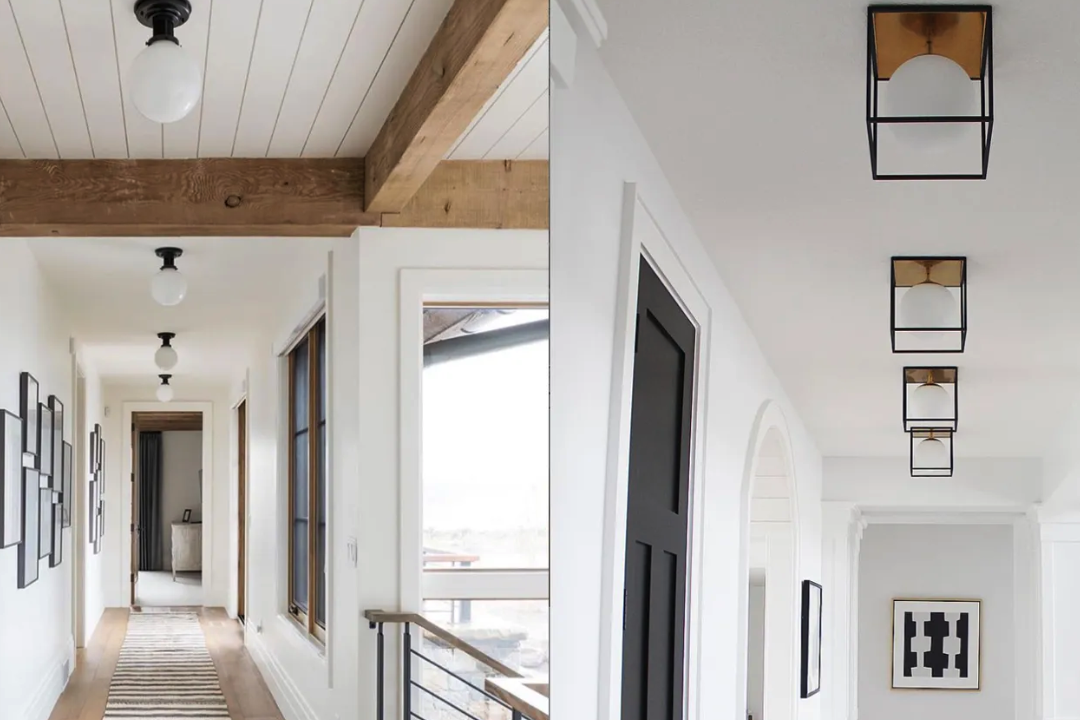
- Multiple Fixtures: In long hallways, large living rooms, or rooms with irregular layouts, using two or more smaller flush mounts can provide more even illumination than one large one. This also helps distribute the electrical load if you have older wiring.
Material and Finish Choices
These details significantly impact the fixture’s integration into your home.
- Match Existing Hardware: Look at doorknobs, cabinet pulls, or plumbing fixtures. Do they lean brass, nickel, oil-rubbed bronze, or black? Choosing a flush mount with a complementary finish will create harmony.
- Consider the Home’s Era: While not strictly necessary, a subtle nod to the home’s period in the finish can be appealing. For example, antique brass or satin bronze might feel more appropriate in a Craftsman than super-modern polished chrome.
- Diffuser Material: Frosted glass or acrylic diffusers soften the light and hide the bulbs, creating a more pleasant glow. Clear glass can be stylish but might expose brighter bulbs and create more glare. Fabric diffusers offer a warmer, softer light.
Installation Tips and Electrical Considerations
This is where a little caution and, often, professional help pays off.
- Consult an Electrician: Especially in older homes, an electrician can assess the condition of your existing wiring, confirm whether your junction boxes can support the new fixtures, and ensure proper grounding. They can also upgrade boxes if necessary, or safely cap off unused wires.
- Plaster and Lath Ceilings: Be gentle! Drilling into plaster and lath can be messy and lead to cracks if not done carefully. Use appropriate drill bits and techniques. For heavier fixtures, ensure they are securely mounted to a joist or with robust anchors, not just into plaster.
- Box Extenders/Medallions: If your existing junction box isn’t perfectly flush with the ceiling, or if you want to conceal a small repair around the box, a decorative ceiling medallion (even a simple, flat one) can provide a clean finish for your flush mount.
- Accessibility: Choose fixtures where changing bulbs (if not integrated LED) is relatively easy, especially if they are high up or in hard-to-reach spots. Twist-lock diffusers are often easier than multiple small screws.
In conclusion, flush mounts are far more than just a default lighting solution. For older homes, they are often the most practical, aesthetically pleasing, and functionally superior choice. By understanding their benefits in tackling common architectural challenges, providing excellent illumination, and offering a vast array of modern designs, homeowners can transform their cherished older properties into beautifully lit, comfortable, and historically sensitive spaces. Don’t dismiss the flush mount – embrace its potential to truly shine in your vintage abode.