Vintage Charm: Mid-Century Tripod Floor Lamp with Wooden Shelf Tray
So, you’re wondering about that mid-century tripod floor lamp with a wooden shelf tray you’ve seen around, maybe in a design magazine or a friend’s stylish living room? In short, it’s a fantastic piece of functional decor that perfectly embodies the mid-century modern aesthetic – think clean lines, practicality, and natural materials. It’s more than just a light source; it’s a design statement that brings warmth, a touch of retro cool, and a convenient little spot for your essentials right where you need them.
Mid-century modern design, roughly spanning from the mid-1940s to the late 1960s, is hugely popular for good reason. It emerged post-WWII as a response to the need for practical, yet stylish, furniture and decor for modern homes.
Functionality First, Always
A core principle of mid-century design was utility. Pieces weren’t just decorative; they served a clear purpose. This lamp Buyance is a perfect example, combining illumination with a useful surface. Designers like Charles and Ray Eames, George Nelson, and Eero Saarinen championed this blend of form and function. They believed that good design should be accessible and improve everyday life.
Clean Lines and Organic Forms
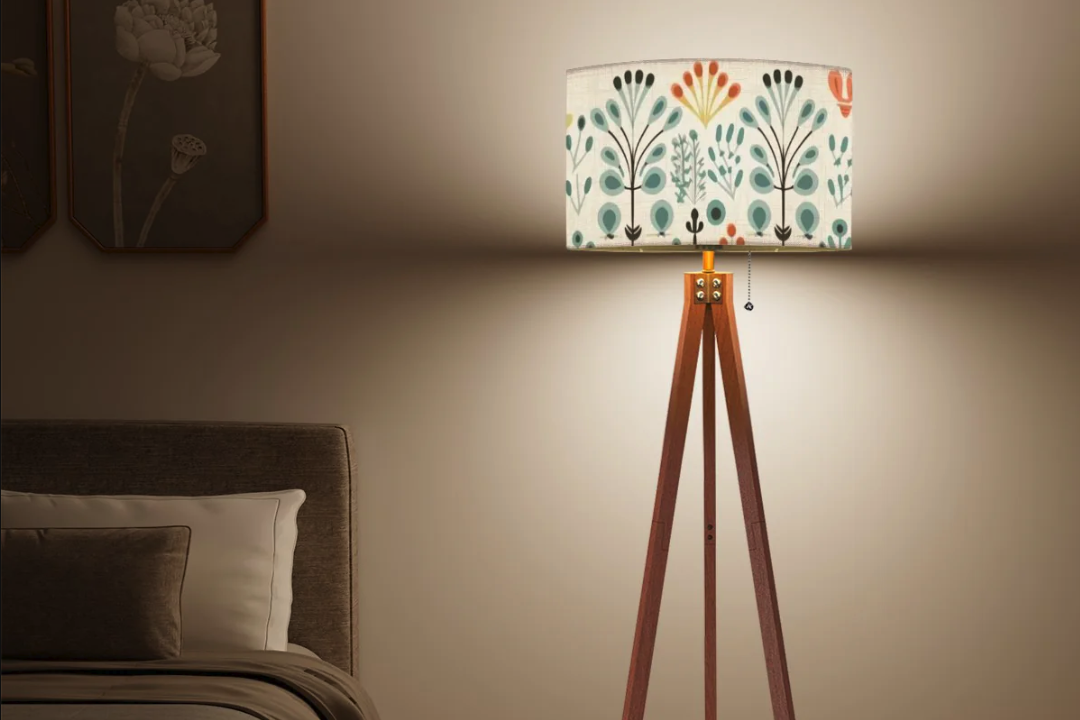
You’ll notice the simplicity in mid-century pieces. No fussy ornamentation, just graceful, often tapered lines and sometimes organically inspired shapes. The tripod base is a classic example of this; it’s stable, visually interesting, and doesn’t rely on ornate details. The wooden shelf tray often has a subtle curve or a straightforward circular shape, fitting in seamlessly.
Natural Materials Take Center Stage
Wood, especially teak, walnut, and sometimes oak, was a favored material. It brought warmth and a sense of connection to nature indoors. The shelf tray on these lamps is almost exclusively made of wood, often with a rich, inviting grain. Metal accents, usually brass or sometimes black finished steel, were also common, providing a pleasing contrast.
Dissecting the Tripod Design
The tripod base isn’t just an aesthetic choice; it’s a testament to good, stable engineering. It’s inherently balanced and offers a minimalist profile.
Stability and Structure
Three legs are naturally stable. Think of a camera tripod; it’s designed to hold steady. The same principle applies here. This stability allows for a slender silhouette without compromising security, especially important when you have a valuable lamp and potentially items on the shelf.
Visual Lightness
Unlike a bulky, solid lamp base, the open structure of a tripod creates a sense of airiness. It doesn’t dominate a space but rather enhances it. This visual lightness is a hallmark of mid-century aesthetics, aiming to make rooms feel more open and less cluttered.
Tapered Legs: A Mid-Century Signature
Often, the legs of these lamps will taper downwards, becoming slightly thinner towards the floor. This subtle detail was very common in mid-century furniture, from dining chairs to sideboards. It adds a touch of elegance and further emphasizes the “lightness” of the design. Sometimes, the legs are connected by a stretcher base near the bottom, adding even more stability and a polished look.
The Genius of the Wooden Shelf Tray
This isn’t just a lamp; it’s a small, functional command center for your relaxation zone. The integrated shelf is what elevates it from a simple light source to a highly practical piece of furniture.
Perfect for Bedside or Sofa Side
Think about it: you’re curled up with a book, or watching a movie. Where do you put your mug of tea, your reading glasses, or your phone? This shelf provides that exact spot. It eliminates the need for an additional side table, which is a major space-saver, especially in smaller rooms or apartments.
Material Choice: Warmth and Durability
The wooden tray usually matches the general aesthetic of the lamp’s legs or is a complementary wood type. Walnut, teak, and sometimes lighter woods like birch or ash were common. Wood brings:
- Warmth: It softens the often-sleek lines of mid-century design.
- Texture: The natural grain adds visual interest.
- Durability: Properly finished wood is resilient and can handle daily use.
Integrated Functionality: More Than Just a Shelf
It’s about thoughtful design. Instead of having two separate items – a lamp and a table – you have one cohesive unit. This streamlines your space and reduces visual clutter. Some designs even incorporate a small drawer or a lip around the edge of the tray to prevent items from falling off, adding further practicality. Consider how often you’ve fumbled for a coaster or a remote – this shelf provides a dedicated home for those small essentials.
Lighting and Ambiance
Beyond its good looks and practicality, a lamp’s primary job is to provide light. These lamps typically excel at creating a warm, inviting ambiance.
Diffused Light for Comfort
Many mid-century floor lamps, including the tripod style, feature shades designed to diffuse light rather than direct it harshly. Common shade materials include:
- Linen or Fabric: These create a soft, ambient glow that’s perfect for living rooms or bedrooms. They often come in neutral tones like cream, off-white, or muted earthy colors.
- Paper or Parchment: These can provide a very warm, almost lantern-like light, especially when paired with a lower wattage bulb.
- Opaque Metal or Plastic (often conical): Some designs feature shades that direct light primarily downwards or upwards, creating more task-specific illumination while still offering some ambient glow.
The result is usually a comfortable, non-glaring light that’s ideal for relaxing, reading, or general room illumination.
Placement Matters
Given the diffused light and the integrated shelf, strategic placement is key.
- Next to a Sofa: This is a classic spot, providing light for reading and a handy surface for drinks or remotes. It defines a cozy seating area.
- Beside an Armchair: Creates a perfect reading nook. The lamp’s light is angled just right, and your coffee cup has a home.
- In a Bedroom: Replacing a traditional nightstand, it’s a stylish and efficient option, offering light and a bedside surface without taking up a lot of floor space.
- Defining a Corner: In a larger room, it can anchor an otherwise empty corner, providing both light and a decorative element.
Bulb Choices for Mood
Modern LED bulbs offer incredible flexibility. You can choose:
- Warm White (2700K-3000K): Mimics traditional incandescent light, creating a cozy atmosphere. This is often the preferred choice for this style of lamp to enhance the mid-century feel.
- Dimmable Bulbs: Allows you to adjust the light intensity to suit different activities or moods, from bright reading light to a soft, evening glow.
- Smart Bulbs: For ultimate control, allowing you to change color temperature, dim, and even schedule lighting from your phone or voice assistant.
Sourcing Your Own Mid-Century Gem
If you’re keen on adding one of these beauties to your home, you’ve got a few avenues to explore, ranging from authentic vintage finds to modern reproductions.
Authentic Vintage Pieces
The thrill of finding a genuine mid-century lamp is unmatched. Look in:
- Antiques Shops and Malls: Dedicate some time to browsing. You might stumble upon a true treasure.
- Specialized Vintage Furniture Stores: These shops often curate their collections and will have pieces in excellent condition. Expect higher prices here, but also expert knowledge and often restored items.
- Online Marketplaces (e.g., Etsy, eBay, 1stDibs, Chairish): Be prepared to sift through many listings. Pay close attention to descriptions, photos, and seller reviews. Always confirm electrical safety before purchase or plan to have it rewired.
- Estate Sales and Flea Markets: These can be hit or miss but often yield the best deals if you’re lucky and arrive early.
When buying vintage, always check the condition of the wiring. For safety, it’s often advisable to have an old lamp rewired by a qualified electrician, even if it appears to be working. Look for details like the type of wood, the stability of the base, and the condition of the shade. Original shades add to the authenticity, but a good quality replacement can look just as good.
Modern Reproductions and Inspirations
The popularity of mid-century design means there are many contemporary manufacturers creating new lamps in this style.
- Furniture Retailers: Many mainstream and high-end furniture stores offer mid-century inspired collections. These are often made with new materials but capture the essence of the era.
- Online Design Stores: Websites specializing in modern and contemporary furniture will almost certainly have options. Look for quality materials and construction.
- Advantages of New: You get modern electrical components, current safety standards, and often a warranty. You also don’t have to worry about wear and tear, and you can generally choose from a wider range of finishes and shade colors.
- Things to Consider: While new, they won’t have the unique patina or history of an authentic vintage piece. Price points can vary wildly depending on the brand and materials used.
Whether choosing vintage or new, a mid-century tripod floor lamp with a wooden shelf tray is a timeless, practical, and stylish addition to almost any interior. It’s more than just an item of furniture; it’s a touch of design history that continues to shine brightly.