App-Controlled Smart Dimmable Recessed Lighting
Smart Dimmable Recessed Lighting: What You Need to Know
So, you’re curious about app-controlled smart dimmable recessed lighting. In a nutshell, it’s a way to adjust the brightness and sometimes even the color temperature of your overhead lights using your smartphone or tablet. Think of it as giving your ceiling lights a brain and a remote control, right in your pocket. This technology offers a lot more flexibility than traditional dimmers and can be integrated into a larger smart home system. Let’s dive into what makes it tick and what you should consider if you’re thinking about making the switch.
At its heart, app-controlled smart dimmable recessed lighting Tiroom involves three main parts working together: the smart bulbs or fixtures, a way to connect them to your network, and the app itself. Understanding these pieces will help you figure out what you need and how it all comes together.
The Smart Lighting Element
- Smart Recessed Light Fixtures vs. Smart Bulbs: The first decision you’ll likely face is whether to replace your entire existing recessed light fixture with a smart one, or if you can simply swap out the incandescent or CFL bulbs for smart LED bulbs.
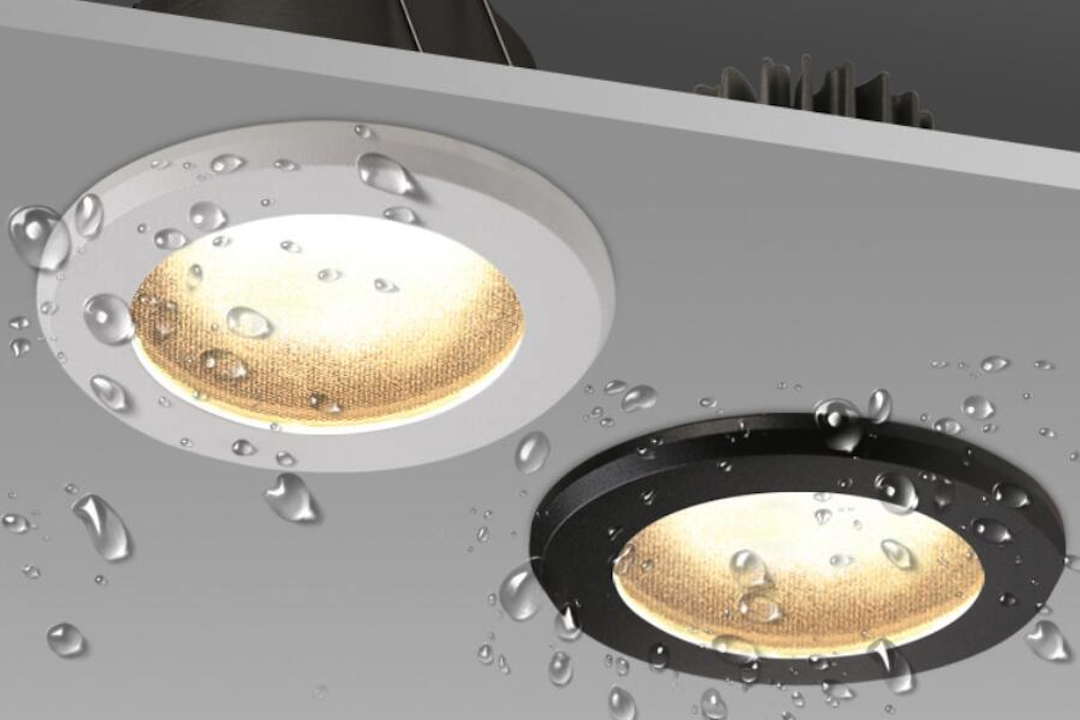
- Smart Fixtures: These are designed from the ground up to be smart. They are usually integrated LED units, meaning the light source and the fixture are one piece. This can offer a sleeker look and often better light quality or feature sets. Installation is similar to a standard recessed light, but you’re replacing the entire can.
- Smart Bulbs: These screw into your existing standard recessed light housings. The “smart” technology is built into the bulb itself. This is generally the easiest and most cost-effective way to get started, as you don’t need to do any significant electrical work if you’re just swapping bulbs. However, you need to ensure your existing fixtures are compatible (e.g., if they have a trim that might block the bulb’s signal).
Connectivity: Bridging the Gap
For your lights to talk to your phone, they need a way to connect to your home network. This is where different technologies come into play.
- Wi-Fi: Many smart lights connect directly to your home’s Wi-Fi router. This is straightforward as you don’t need any extra hardware if your Wi-Fi signal is strong enough in the areas where the lights are located.
- Pros: Easy setup, no extra hub required.
- Cons: Can put a strain on your Wi-Fi network if you have many devices. Relies heavily on your router’s strength and range.
- Bluetooth: Some entry-level smart lights use Bluetooth. They connect directly to your smartphone when it’s within range.
- Pros: Very simple to set up for individual lights.
- Cons: Limited range; you can only control the lights when you’re physically near them. Most Bluetooth-only systems don’t offer remote access from outside your home.
- Dedicated Hubs (Zigbee, Z-Wave): Many smart lighting systems, especially those offering more advanced features or requiring a robust network, use a central hub that communicates with your lights using protocols like Zigbee or Z-Wave. This hub then connects to your router via Wi-Fi or Ethernet.
- Pros: Creates a dedicated network for your smart devices, reducing Wi-Fi congestion. Generally more reliable and can support a larger number of devices. Often provides better range and mesh networking capabilities (where devices relay signals).
- Cons: Requires an additional piece of hardware (the hub), adding to the cost and another device to manage.
The Control Interface: The App
The app is your command center. It’s how you tell your lights what to do.
- Manufacturer-Specific Apps: Most smart lighting brands have their own dedicated app. This is where you’ll pair your lights, adjust brightness, set schedules, and create scenes.
- Third-Party Smart Home Apps: Many smart lights are compatible with larger smart home ecosystems like Google Home, Amazon Alexa, or Apple HomeKit. This allows you to control your lights alongside other smart devices (thermostats, smart plugs, etc.) using a single app and voice commands.
- Voice Control: This is a major draw for smart lighting. Being able to say “Hey Google, dim the living room lights to 40%” is a level of convenience traditional dimmers can’t match.
Practical Applications: Beyond Just Dimming
The “smart” aspect of these lights goes way beyond simply turning them up or down. It unlocks a lot of potential for enhancing your living space and automating your daily routines.
Setting the Mood and Ambiance
Instead of fumbling for a dimmer switch in the dark, your phone becomes your mood setter.
- Scene Creation: You can create custom lighting “scenes” for different activities. For example, a “Movie Night” scene might dim the lights to a low, warm level. A “Reading” scene could provide brighter, cooler light focused on a specific area.
- Color Temperature Adjustments: Many smart dimmable lights offer tunable white. This means you can change the “warmth” of the light, from a cool, crisp white (good for focus and mornings) to a warm, soft glow (ideal for winding down in the evenings).
- Individual Light Control: If you have multiple recessed lights in a room, you can often control each one independently. This means you can spotlight artwork or create specific lighting zones within the same space. So, one light could be bright for a task, while another is dim for general ambiance.
Automation and Convenience
This is where smart lighting really shines, making your life a little easier, often without you even thinking about it.
- Scheduling: You can program your lights to turn on or off at specific times. Imagine your lights gently turning on at sunrise to wake you up, or gradually dimming in the evening as a reminder to prepare for bed.
- Geofencing: Some apps allow you to set up geofencing. This means your lights can turn on automatically when you arrive home (based on your phone’s location) or turn off when you leave. This is great for peace of mind and energy saving.
- Integration with Other Smart Devices: As mentioned, connecting your lights to a smart home hub or platform means they can work in conjunction with other devices. Triggering a “Goodnight” routine could turn off all your lights, lock your smart door, and lower the thermostat.
Energy Efficiency and Longevity
While not the primary selling point for everyone, smart dimmable LEDs do offer benefits here.
- LED Technology: Recessed smart lights are almost exclusively LED. LEDs are significantly more energy-efficient than incandescent or even CFL bulbs, using a fraction of the power for the same amount of light.
- Dimming Savings: Dimming lights, whether conventionally or via an app, reduces energy consumption directly. The ability to precisely control the brightness means you’re only using as much light as you need.
- Long Lifespan: LEDs have a much longer lifespan compared to older lighting technologies, meaning fewer bulb replacements over time. This can also translate to less frequent maintenance for your recessed fixtures.
Choosing the Right System for Your Home
Navigating the market can feel overwhelming. Here’s how to break it down and make a decision that suits your needs and your home.
Compatibility and Ecosystems
This is probably the most crucial consideration. You don’t want to buy a system that doesn’t play well with your existing tech.
- Wi-Fi First or Hub-Based: Decide if you want a system that connects directly to your Wi-Fi or one that requires a dedicated hub. If your Wi-Fi is already heavily used or you have a larger home, a hub-based system might offer better performance. If you only have a few lights and a strong Wi-Fi network, direct Wi-Fi connection is simpler.
- Smart Home Platform Integration:
- Amazon Alexa: If you already have an Alexa Echo device, look for lights that are “Works with Alexa” certified. You’ll be able to control them with voice commands through your Echo.
- Google Assistant: Similarly, if you use Google Home devices, prioritize lights that are “Works with Google Assistant.”
- Apple HomeKit: For Apple users, HomeKit compatibility is key. This often means looking for products with the “Works with Apple HomeKit” badge, and you’ll use Siri for voice control and the Home app for management.
- Matter: This is a newer standard aiming to unify smart home devices. If you see the Matter logo, it suggests a higher degree of interoperability between different brands and platforms in the future. It’s worth keeping an eye on.
- Brand Loyalty vs. Flexibility: While some brands offer more advanced features, sticking to a single brand can simplify setup and app management. However, if you want to mix and match or are already invested in a particular platform, checking for cross-compatibility is essential.
Installation and DIY Friendliness
How comfortable are you with a bit of DIY? This will influence whether you opt for smart bulbs or full fixtures.
- Swapping Bulbs (Easiest): If your existing recessed fixtures are standard cans with bulb sockets, replacing them with smart LED bulbs is the simplest DIY option. You just screw them in and follow the app setup. Make sure the bulb base type matches (usually E26/E27 in North America/Europe).
- Replacing Entire Fixtures: If you’re upgrading older, non-LED fixtures or want a more integrated look, you’ll be replacing the entire can. This involves turning off the power at the breaker, removing the old fixture, and wiring in the new smart fixture. If you’re not comfortable with basic electrical wiring, you’ll need to hire an electrician.
- Dimmer Switch Compatibility (Important Note): If you’re using smart bulbs in existing fixtures, you must ensure your old dimmer switch is turned to the “on” or “full brightness” position and bypassed or replaced with a standard on/off switch. A traditional dimmer can interfere with the smart bulb’s electronics. Smart bulbs are designed to be controlled via their app or smart home platform, not through a physical dimmer switch.
Key Features to Look For
Beyond basic dimming and app control, what else should you consider?
- Tunable White: As mentioned, this is a significant upgrade over just dimming. Being able to adjust the color temperature (warm to cool) allows for much more nuanced mood setting. Look for ranges like “2700K to 6500K.”
- RGB Color Options: Some smart lights go a step further and offer millions of colors. While not typically a feature you’d want for general recessed lighting (unless it’s for accent or party mood), it’s an option if you’re looking for ultimate flexibility.
- Brightness Levels (Lumens): Check the lumen output. Standard recessed lighting can range from 450 to 800 lumens per fixture, depending on the room size and purpose. Ensure the smart lights you choose provide enough light for your needs.
- Beam Angle: The beam angle determines how wide the light spreads. A narrower beam angle is more focused, while a wider angle spreads light more evenly. For general room illumination, a wider angle (e.g., 90-120 degrees) is typically preferred for recessed lighting.
- Brightness Range: Look for a smooth dimming experience. Some bulbs can dim down to very low levels (e.g., 1% or even 0.1%), while others might have a higher minimum dim level. The range of dimming is important for creating subtle effects.
Considerations and Potential Pitfalls
While smart lighting offers a lot, it’s not always plug-and-play perfection. Being aware of these common issues can save you frustration.
Network Reliability and Setup Issues
- Wi-Fi Congestion: If you have a lot of smart devices, your Wi-Fi network can get bogged down. This can lead to sluggish performance, dropped connections, or lights not responding. Upgrading your router or using a mesh Wi-Fi system can help.
- Signal Strength: Recessed lighting is often in ceilings, which can be further from your router. Poor Wi-Fi signal strength can cause unreliable connections. Relocation of the router, using Wi-Fi extenders, or opting for a hub-based system with Zigbee/Z-Wave might be necessary.
- Pairing Difficulties: Sometimes, pairing the lights with your app or hub can be finicky. Step-by-step instructions from manufacturers are your best friend here, and sometimes a simple power cycle (turning the breaker off and on) can resolve issues.
App Issues and Updates
- App Clutter: If you use multiple brands of smart devices, you might end up with several different apps on your phone, which can be inconvenient. This is where integrating with platforms like Alexa or Google Home becomes very useful.
- Forced Updates: Like any software, smart lighting apps and firmware get updated. Sometimes, updates can introduce bugs or change functionality. It’s usually best to let devices update, but be aware that it’s an ongoing process.
- Manufacturer Support: If a company stops supporting its app or device, it could render your lights useless or limit their functionality. Researching the longevity and support reputation of a brand is a good idea.
Compatibility Challenges with Existing Wiring
- Older Dimmers: As mentioned earlier, never use a smart bulb with a traditional dimmer switch. Always replace it with a standard on/off switch or ensure it’s bypassed. The smart features of the bulb are controlled electronically, not by the analog signal from a dimmer.
- In-Wall Junction Boxes: When replacing entire fixtures, you need to ensure there’s adequate space in the junction box for the wiring and any small electronic components within the smart fixture.
- Professional Installation: If you’re unsure about electrical wiring, safety should come first. Hiring a qualified electrician is a wise investment to avoid electrical hazards or damage to your home.
Comparing Popular Hubs and Platforms
When you decide to go down the smart lighting route, you’ll likely encounter these names. Understanding their roles is key to choosing a system that fits your life.
Amazon Alexa
- How it Works: Alexa is a voice assistant and smart home platform powered by Amazon. You can use Alexa-enabled devices (like Echo speakers and displays) to control compatible smart lights with your voice. You can also manage them through the Alexa app.
- Pros: Widely adopted, huge range of compatible devices, easy voice control for many users. Offers routines and automation within the Alexa ecosystem.
- Cons: Integration with other platforms can sometimes be limited. Privacy concerns with voice assistants are a consideration for some.
- Best For: Users who already own Alexa devices or are looking for a robust and widely accessible voice control system.
Google Assistant
- How it Works: Similar to Alexa, Google Assistant is Google’s voice assistant and smart home platform. It works with Google Nest devices (speakers, displays) and can control compatible smart lights through voice commands and the Google Home app.
- Pros: Strong natural language processing, good integration with Google services, straightforward automation setup in the Google Home app.
- Cons: Similar to Alexa, compatibility can vary, and privacy concerns are present.
- Best For: Users already integrated into the Google ecosystem, those who appreciate Google’s search and AI capabilities, or prefer its voice interaction style.
Apple HomeKit
- How it Works: HomeKit is Apple’s framework for smart home devices. It allows you to control compatible lights and other accessories using Siri voice commands and the Apple Home app on your iPhone, iPad, or Mac.
- Pros: Strong emphasis on privacy and security, seamless integration for Apple users, generally provides a very polished and intuitive user experience with the Home app.
- Cons: The range of HomeKit-specific devices can be smaller compared to Alexa or Google Assistant, and often includes a higher price point. Requires an Apple TV or HomePod as a Home hub for remote access and automation outside the home.
- Best For: Dedicated Apple users who prioritize privacy and a tightly integrated experience across their Apple devices.
Zigbee & Z-Wave (Protocols)
- How They Work: These are low-power wireless communication protocols designed for smart home devices. Instead of connecting directly to your Wi-Fi, devices communicate with a dedicated hub (e.g., Philips Hue Bridge, SmartThings Hub, Hubitat). The hub then connects to your router.
- Pros: Create a separate, more robust network for smart devices, reducing Wi-Fi congestion. Excellent for larger homes or many devices because they use mesh networking (devices relay signals). Often more stable and faster response times.
- Cons: Requires purchasing and setting up an additional hub, adding cost and complexity. The hub itself needs to be compatible with your chosen lighting system.
- Best For: Users with larger homes, many smart devices, or those seeking the most reliable and responsive smart home network.
Making the Switch: A Final Checklist
Before you click “buy,” run through this quick list to ensure you’re making the right choice for your home.
Your Needs Assessment
- What’s your primary goal? Is it convenience, ambiance, energy saving, or integration into a larger smart home?
- How many lights do you need to control? This will impact your choice between direct Wi-Fi, a hub, or a platform ecosystem.
- What’s your budget? Smart bulbs are often cheaper to start, while full fixtures or advanced hub systems can be more of an investment.
Technical Readiness
- What’s your Wi-Fi situation like? Strong signal everywhere, or are there dead zones? Do you have a modern, capable router?
- Are you comfortable with basic electrical work, or will you need an electrician? Especially important if you’re considering replacing entire fixtures.
- What other smart devices do you use, if any? This will heavily influence which platform (Alexa, Google Home, HomeKit) makes the most sense for integration.
Research and Comparisons
- Read reviews: Look for real-world user experiences, not just manufacturer claims. Pay attention to comments about reliability, app usability, and customer support.
- Check compatibility lists: If you have a specific smart home hub or voice assistant, make sure the lights you’re considering are explicitly listed as compatible.
- Consider future-proofing: While it’s impossible to predict perfectly, looking at emerging standards like Matter can suggest longer-term compatibility.
By considering these points, you can make an informed decision about app-controlled smart dimmable recessed lighting, ensuring you get a system that truly enhances your home without unnecessary fuss.