Industrial Black Metal Cage Pendant Light for Loft Kitchen: A Stylish Addition
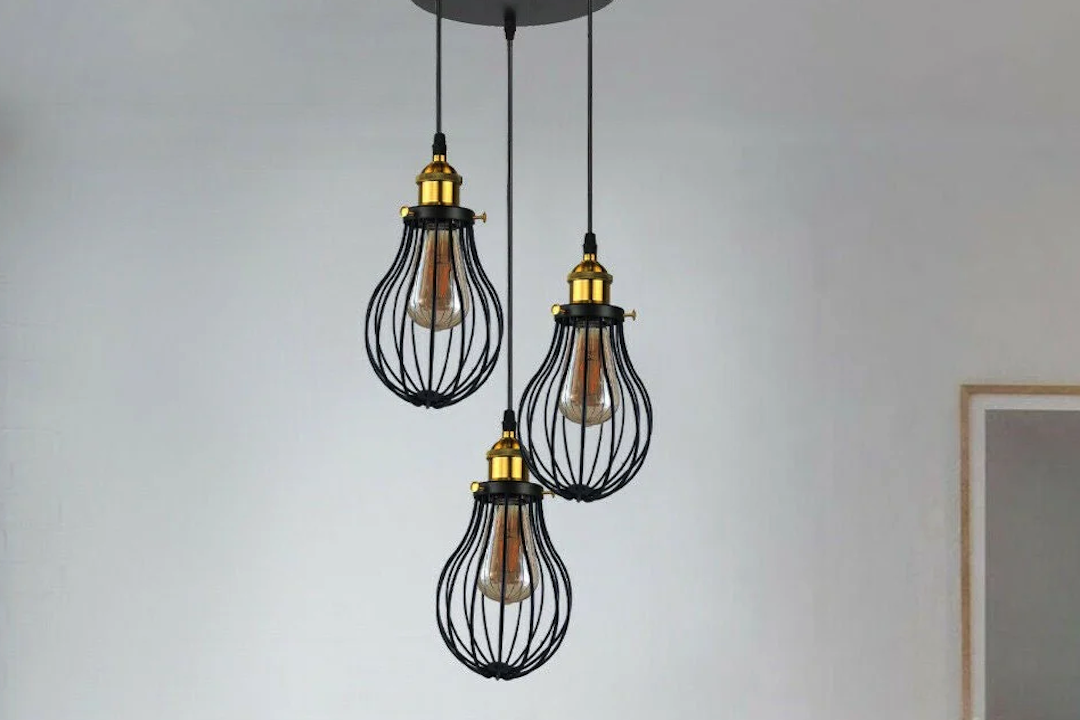
Thinking about adding an industrial black metal cage pendant light to your loft kitchen? You’re onto something good. These lights aren’t just about illuminating your space; they’re a statement. They bring a specific kind of character – rugged, yet sophisticated – that perfectly complements the open, often raw aesthetic of a loft kitchen. They’re practical too, offering focused light where you need it most, whether it’s over an island, a dining area, or a high-traffic countertop. This article will help you understand why these lights are such a fitting choice and what to consider when picking one out.
Loft spaces, by their very nature, often lean into an industrial aesthetic. Think exposed brick, large windows, high ceilings, and visible structural elements. This isn’t decor trying to hide its origins; it’s celebrating them. Industrial design embraces materials like metal, wood, and concrete in their more raw forms, and it values functionality as much as form.
The Loft Aesthetic
Loft kitchens, in particular, often serve as the heart of a larger, open-plan living area. They’re not tucked away; they’re on display. This means every element, including lighting, needs to contribute to the overall design narrative. A minimalist, overly ornate, or traditional light Fasuhouse fixture might clash with the loft’s inherent character. Industrial elements, on the other hand, feel right at home.
Echoing Architectural Roots
Many lofts are conversions of old industrial buildings – factories, warehouses, or even commercial spaces. This history is often preserved in their architecture. Choosing industrial-style light fixtures is a way of acknowledging and celebrating these roots, creating a cohesive design that feels authentic rather than forced. It’s about leveraging the existing character of the space, not fighting against it.
Functionality and Durability
Beyond aesthetics, industrial design prioritizes durability and function. These are often lights built to last, made from robust materials that can withstand daily life. In a busy kitchen, this is a significant advantage. The materials used, like steel or iron, are generally resilient and require minimal upkeep, which is always a plus in a high-use area.
Understanding the “Black Metal Cage Pendant”
Let’s break down exactly what we mean when we talk about this specific type of light fixture. It’s more than just a light bulb; it’s a carefully designed piece that combines specific materials and forms to create a distinct look.
The “Industrial” Element
The “industrial” aspect typically refers to the materials and the design philosophy. We’re talking sturdy metals, sometimes with an aged or distressed finish, exposed hardware, and a no-frills, practical appearance. The focus is often on geometric shapes and utilitarian forms rather than decorative flourishes. It’s about honesty in materials and purpose.
The “Black Metal” Component
Black metal is a key feature here. Black, as a color, offers versatility. It’s strong, grounding, and provides a stark contrast against lighter elements or complements darker ones. In a metal fixture, black can be achieved through various finishes: matte, satin, or even a slightly glossy powder coat.
Matte Black Finishes
Matte black is particularly popular for industrial styles because it absorbs light, reducing glare and creating a sophisticated, understated presence. It can give the fixture a more contemporary edge while still feeling rooted in industrial design principles.
Satin or Powder-Coated Black
Satin finishes have a slight sheen, offering a touch more polish without losing the industrial vibe. Powder-coated black is a durable finish that protects the metal and provides a consistent, smooth look. Both options are practical for kitchen environments where they might occasionally need cleaning.
The “Cage” Design
The “cage” is perhaps the most defining visual characteristic. Instead of a solid shade, the light bulb is enclosed within an open framework of metal bars or wires. This design has several practical and aesthetic benefits.
Unrestricted Light Diffusion
One of the main advantages of a cage design is that it doesn’t block the light. Unlike a solid lampshade that directs light downwards or in specific directions, a cage allows light to escape in all directions, illuminating a broader area. This is particularly useful in a kitchen where you often need good overall ambient light.
Visual Interest and Transparency
The cage itself creates visual interest. The interplay of lines and shadows can be quite captivating. It also maintains a sense of openness and transparency, which is crucial in a loft setting where you often want to preserve sightlines and avoid heavy, blocky elements that can make a space feel smaller.
Protecting the Bulb
From a practical standpoint, the cage protects the light bulb itself. In a busy kitchen, especially in areas where things might be moved around, this offers a degree of safety and prevents direct impacts on exposed bulbs.
Where to Install Your Pendant Light
While the general answer is “in your loft kitchen,” the precise placement matters for both aesthetics and functionality. Pendant lights are highly versatile and can serve various lighting needs depending on their location.
Over a Kitchen Island
This is one of the most common and effective placements. A row of two or three cage pendants over a kitchen island can provide excellent task lighting for food preparation, dining, or even working. The open cage design prevents a single large fixture from obstructing the view across the island.
Sizing and Spacing
When hanging multiple pendants over an island, consider the size of the island and the individual fixtures. A good rule of thumb is to allow about 2 feet of space between the center of each fixture. The bottom of the pendant should typically hang about 30-36 inches above the island surface, but this can be adjusted based on ceiling height and personal preference.
Task Lighting Focus
Over an island, the primary goal is often task lighting. Make sure the bulbs you choose are bright enough for detailed work. Dimmable options are highly recommended to allow for mood lighting when the kitchen is not in active use.
Above a Dining Area
If your loft kitchen includes an open dining space, a single larger cage pendant or a cluster of smaller ones can define that zone. It creates a focal point and provides ambient light for meals.
Defining the Dining Zone
In an open-plan loft, lighting can be used to delineate different functional areas without needing physical walls. A pendant light carefully positioned over a dining table signals that this is a separate, dedicated space within the larger room.
Ambiance and Mood
For dining areas, you might prioritize a warmer, softer light than for task lighting. Again, dimmers are your friend here. The cage design will still allow plenty of light but the choice of bulb warmth can significantly influence the mood.
High Ceilings and Open Spaces
Lofts are known for their high ceilings. This is where pendant lights truly shine. They fill some of that vertical space, bringing the light down to a more functional level and making the vastness of the room feel a bit more grounded.
Scaling and Proportion
With high ceilings, pay attention to the scale of the pendant. A small, delicate fixture might get lost. Consider larger cages or multiple pendants in a cluster to make a statement that is proportionate to the room’s volume.
Bringing Light Down
High ceilings mean light sources often feel very far away. Pendants effectively lower the lighting plane, making the space feel more intimate and ensuring light reaches work surfaces and seating areas effectively.
Practical Considerations Before Buying
Before you get carried away by the aesthetic, it’s wise to think through some practicalities. Good lighting is as much about functionality as it is about style.
Bulb Choice: Beyond Just “Light”
The type of bulb you put inside your cage pendant is crucial. Since the bulb is often visible, its appearance matters. But so does its light output and temperature.
Edison-Style Filament Bulbs
These are incredibly popular with industrial fixtures. Their visible filaments, often in amber tones, perfectly complement the vintage-industrial aesthetic. They emit a warm, inviting glow that’s great for ambiance.
LED Replacements
For practicality and energy efficiency, LED bulbs that mimic the Edison style are an excellent choice. They offer the desired look with the benefits of modern LED technology – long lifespan, low energy consumption, and often dimmable capabilities. Many come with various color temperatures, from very warm (2200K) to more neutral (3000K).
Brightness (Lumens) and Color Temperature (Kelvin)
Consider the primary function of the light. For task lighting, you’ll need higher lumens (brightness) and potentially a more neutral white light (around 3000K-4000K). For ambient or mood lighting, lower lumens and warmer temperatures (2200K-2700K) are generally preferred. Many bulbs now offer adjustable color temperature, which is a great compromise.
Installation and Wiring
Unless you’re confident with electrical work, it’s usually best to hire a qualified electrician for installation. Loft kitchens often involve higher ceilings, making a safe and proper installation even more important.
Existing Wiring vs. New Installation
Check if there are existing junction boxes in the desired locations. If not, you’ll need to consider the cost and complexity of running new wiring. This is where an electrician’s expertise is invaluable.
Ceiling Support
Pendant lights, especially larger ones, can be heavier than standard fixtures. Ensure your ceiling can adequately support the weight. An electrician will typically assess this as part of the installation process.
Dimmer Switches for Versatility
This is a non-negotiable for a kitchen pendant light. Dimmers transform the functionality of your lighting, allowing you to adjust the mood and intensity to suit any occasion, from focused meal prep to relaxed evening entertaining.
Enhancing Ambiance
A dimmer allows you to create different atmospheres. Bright light for cooking, soft glow for a casual dinner, or just a low hum as an ambient night light. This flexibility makes the lighting far more versatile.
Energy Saving
Dimming lights also saves energy, extending the life of your bulbs and reducing your electricity bill. It’s a small upgrade with significant benefits.
Maintenance and Longevity
Industrial black metal cage pendants are generally low maintenance, but a few simple steps can ensure they look their best for years.
Cleaning the Fixture
Dust and grease are common in kitchens. A soft, damp cloth with a mild cleaner (avoiding harsh abrasives that could damage the finish) is usually sufficient for wiping down the metal cage. For hard-to-reach areas, a soft brush or compressed air can help dislodge dust.
Gentle Cleaning Products
Always test any cleaning product on an inconspicuous area first. For matte finishes, avoid anything that leaves a glossy residue. Simple soap and water is often the best choice.
Maintaining the Finish
Black metal finishes are usually quite durable. However, scratches can happen. For minor scuffs, a black touch-up paint specifically designed for metal can often be used. Avoid prolonged exposure to excessive moisture, which could lead to rust if the finish is compromised.
Rust Prevention
If your kitchen environment is particularly humid, consider fixtures with a higher-quality powder coat or rust-resistant treatment. If you notice any rust spots appearing, address them quickly with rust-converting primer and appropriate paint to prevent further deterioration.
Bulb Replacement
While LEDs last a very long time, eventually, bulbs will need replacing. Keep a spare or make a note of the specific bulb type and wattage so you can easily find a suitable replacement when needed.
Safe Replacement Practices
Always turn off the power at the circuit breaker before replacing a bulb. Allow the old bulb to cool down completely before handling.
In conclusion, an industrial black metal cage pendant light is more than just a lighting fixture; it’s a purposeful design choice for a loft kitchen. It aligns with the space’s inherent character, offers practical illumination, and provides a durable, stylish focal point. By carefully considering bulb choices, placement, and installation, you can integrate these fixtures seamlessly, enhancing both the functionality and aesthetic appeal of your urban living space without resorting to unnecessary flair or exaggeration.