Cozy Family Living: Textile Drum Ceiling Lamps
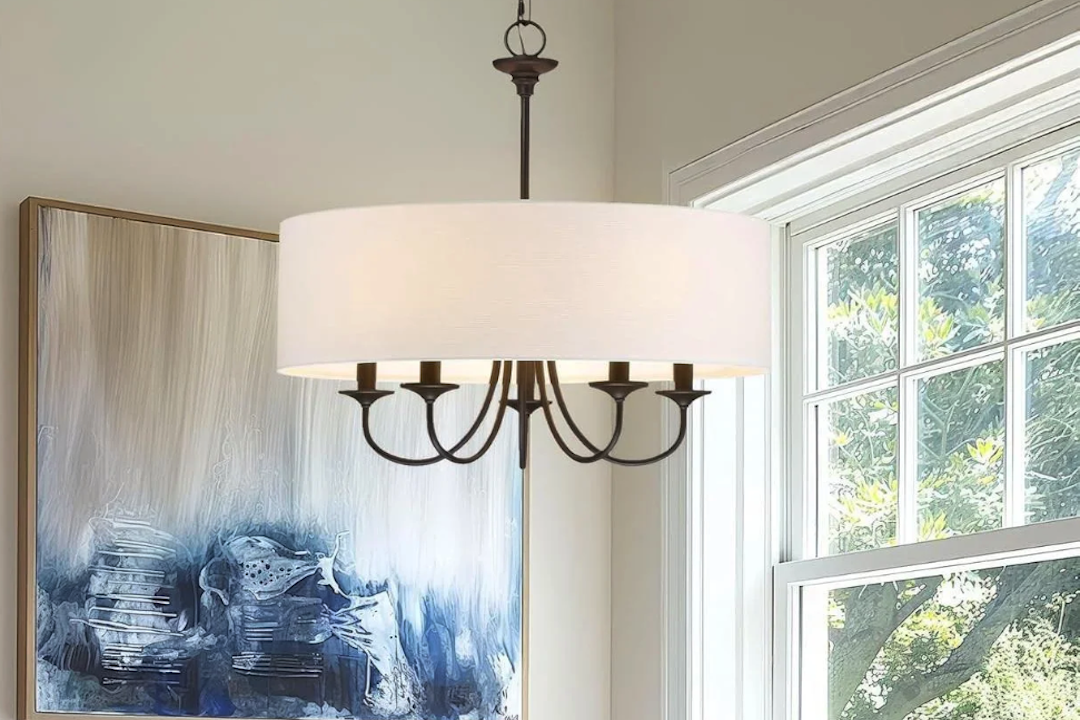
Textile drum ceiling lamps, often referred to as fabric drum pendants or simply drum shades, are a common feature in modern interior design. Characterized by their cylindrical silhouette and fabric diffusion, these fixtures offer a gentle and consistent light source, contributing to a sense of warmth and comfort within a living space. Their versatile design allows them to fit into a range of décors, from minimalist to eclectic. This article will explore the history, design principles, materials, and practical considerations of textile drum ceiling lamps.
The concept of a diffused light Omelighting source has a long history, predating the modern textile drum lamp. Early forms of lighting, such as oil lamps and candles, often employed shades made from oiled paper, parchment, or stretched animal skins to soften their harsh glare. These rudimentary shades served a similar purpose: to create a more ambient and less direct illumination.
Early Lighting and the Need for Diffusion
Before the advent of electricity, light sources were inherently bright and often flickered. Candles, for instance, produced an intense, localized flame. To distribute this light more evenly and prevent eye strain, people developed various methods of shading. These included placing a material in front of the flame or enclosing it within a translucent container. The desire for a more comfortable and aesthetically pleasing environment drove the innovation of these early lampshades.
The Rise of Electric Lighting and Lamp Shade Design
The widespread adoption of electricity in the late 19th and early 20th centuries dramatically changed lighting. No longer bound by the limitations of flame, designers began to experiment with new forms and materials. The electric bulb, while convenient, still offered a direct and sometimes stark light. This led to a renewed focus on lampshade design to shape and soften the illumination.
Art Nouveau and Art Deco Influences
As styles evolved, so did lampshade aesthetics. The organic, flowing lines of Art Nouveau and the geometric precision of Art Deco influenced lampshade manufacturing. While not exclusively drum-shaped, these periods saw an emphasis on decorative fabrics and intricate designs, laying the groundwork for later textile-based fixtures. The “drum” shape, a fundamental geometric form, offered a clean canvas for these emerging decorative trends.
The Mid-Century Modern Era and the Emergence of the Drum Shade
The mid-20th century, particularly the mid-century modern period, is often considered a pivotal time for the widespread popularity of the textile drum ceiling lamp in its recognizable form. This era emphasized functionality, clean lines, and a connection to nature, which translated into lighting design. The drum shade, with its simple geometry and ability to provide soft, diffused light, perfectly embodied these ideals.
Functionalism and Aesthetic Simplicity
Mid-century designers sought to eliminate unnecessary ornamentation and focus on the inherent beauty of form and material. The drum shade, devoid of elaborate finials or intricate detailing, fit this philosophy. Its cylindrical shape offered a clean, unobtrusive presence that complemented the furniture and architecture of the time. The fabric covering further softened the fixture, contributing to the era’s emphasis on creating comfortable and inviting living spaces.
The “Lyre” Lamp and Early Drum Prototypes
While not strictly a ceiling lamp, the popular “Lyre” lamps of the mid-20th century, often featuring fabric shades, demonstrated the growing acceptance of fabric as a primary lampshade material. These table and floor lamps, with their characteristic curved bases and drum-like shades, foreshadowed the evolution towards ceiling-mounted versions. The adaptability of fabric to create a consistent glow made it an ideal medium for diffusing the increasingly powerful electric bulbs.
Contemporary Adaptations and Innovations
In contemporary design, the textile drum ceiling lamp has continued to evolve, incorporating new materials, technologies, and aesthetic directions. Its fundamental appeal – soft light and simple form – remains, but the interpretations are diverse.
The Influence of Scandinavian and Japanese Design
The minimalist aesthetics of Scandinavian and Japanese design, with their emphasis on natural materials, neutral palettes, and serene environments, have significantly influenced the enduring popularity of textile drum lamps. These styles often favor understated elegance and a focus on creating a tranquil atmosphere, a role the drum shade fulfills with distinction. The fabric, in its natural textures and muted colors, aligns perfectly with these design philosophies.
Technological Advancements in LED Integration
The integration of LED technology has been a significant development for textile drum ceiling lamps. LEDs offer energy efficiency, longer lifespan, and greater control over color temperature and brightness. Designers are now able to create slimmer profiles and more innovative diffuser patterns, taking full advantage of the capabilities of this modern lighting source. The fabric shade, when paired with LED arrays, can achieve a remarkably even and consistent light distribution.
Design Principles and Elements of Textile Drum Ceiling Lamps
The design of a textile drum ceiling lamp is built upon a foundation of functional and aesthetic principles. These lamps are not merely containers for a light bulb; they are carefully crafted objects intended to enhance their surroundings through illumination and form.
Structure and Form: The Cylindrical Foundation
The defining feature of a textile drum ceiling lamp is its cylindrical shape. This geometry is not accidental. A cylinder’s uniform diameter allows for an even dispersal of light outwards, creating a diffused glow. The unbroken vertical surface, covered in fabric, acts as a large diffuser, mitigating the harshness of a bare bulb.
The Importance of Proportion and Scale
The success of a drum shade lies in its proportion and scale relative to the space it inhabits. A pendant that is too large can overwhelm a small room, while one that is too small may appear insignificant in a larger area. Designers consider the height of the ceiling, the size of the room, and the intended function of the space to select the appropriate dimensions for the drum shade. The cylindrical form lends itself well to subtle variations in height and diameter, allowing for customization.
Rim and Edge Detailing
The edges of the drum shade are significant design details, even if subtle. These can be finished with a clean, trimmed edge, a contrasting trim band, or a more decorative cording. The method of securing the fabric to the internal structure, often a metal or plastic frame, can also become a design element, especially in more transparent or loosely woven fabrics.
The Role of the Diffuser: Materiality and Light Quality
The fabric itself is the heart of the textile drum ceiling lamp, acting as the primary diffuser. The choice of fabric profoundly impacts the quality of light emitted.
Fabric Types and Their Properties
A variety of fabrics are used, each with its own light-transmitting qualities. Common choices include linen, cotton, silk, polyester blends, and even more specialized materials.
Linen and Cotton: Natural Textures
Linen and cotton offer a natural, organic feel and a pleasing texture. Their slightly uneven weave can create subtle variations in the light, adding depth and character. These fabrics tend to diffuse light effectively, preventing hot spots and creating a soft, inviting ambiance. The inherent breathability of these natural fibers can contribute to a feeling of airiness in the illumination.
Silk and Synthetic Blends: Smoothness and Durability
Silk provides a more luxurious sheen and a finer diffusion. However, it can be more delicate and may require careful cleaning. Synthetic blends, such as polyester, offer greater durability, wrinkle resistance, and a wider range of color options. Modern synthetic fabrics are engineered to mimic the aesthetic qualities of natural fibers while offering improved performance.
Translucency and Opacity
The degree of translucency or opacity of the fabric is crucial. A more translucent fabric will allow more light to pass through, resulting in a brighter, more ambient glow. A more opaque fabric will absorb more light, creating a darker, more focused beam, often directed downwards or upwards depending on the shade’s construction.
Color and Pattern Considerations
The color of the fabric directly influences the color temperature and overall mood of the light. Neutral colors like white, cream, and beige are classic choices that produce a clean, natural light, reflecting the ambient color of the room. Warmer tones, such as muted yellows or soft terracottas, can cast a warmer, more intimate glow, while darker colors will absorb more light and may be used for a more dramatic effect or in spaces where a dimmer light is desired.
Patterns on the fabric can add visual interest and character. Subtle textures or small, repeating motifs can be introduced without significantly altering the light diffusion. Bold patterns, however, can cast shadows and create a more dynamic light display, which might be desirable in certain contexts.
Internal Structure and Light Control
Beneath the fabric lies the internal framework that gives the drum shade its shape and supports the light source. The design of this internal structure plays a vital role in controlling how light is emitted.
Frame Materials and Construction
Typically, internal frames are constructed from metal (such as steel or aluminum) or durable plastic. These frames are designed to be sturdy and lightweight, providing a stable base for the fabric. The method of attaching the fabric, whether by stretching and securing, or by sewing into panels, contributes to the overall finish and light diffusion characteristics.
Top and Bottom Diffusers and Light Direction
Many textile drum ceiling lamps incorporate top and/or bottom diffusers. These are often made from white acrylic, frosted glass, or a similar translucent material.
Top Diffusers: Preventing Glare and Direct Light
A top diffuser is crucial for preventing light from shining directly upwards and creating glare against a ceiling. It helps to distribute light more evenly throughout the room, contributing to a softer, more ambient illumination. This also prevents the internal
fixtures from being overly visible.
Bottom Diffusers: Directing Light and Reducing Glare
A bottom diffuser serves to soften the light directed downwards. If the primary purpose of the lamp is to provide task lighting, a bottom diffuser can help to spread the light evenly over a surface. If the intention is a more general ambient glow, a less restrictive bottom opening might be preferred. The presence or absence, and the material of the bottom diffuser, significantly alter the perceived light quality from below.
Baffle Systems
Some higher-end or more specialized textile drum lamps may incorporate baffles. These are internal panels or structures designed to further control the direction and intensity of light, often to prevent direct glare or to shape the beam more precisely. They act like internal shields, directing light where it is intended to go.
Applications and Integration in “Cozy Family Living”
The term “cozy family living” evokes a sense of warmth, comfort, and togetherness. Textile drum ceiling lamps are well-suited to creating such an atmosphere due to their inherent qualities. Their soft, diffused light is less stark than many other lighting options, fostering a more relaxed and inviting environment.
Living Rooms and Family Rooms: The Heart of the Home
In living rooms and family rooms, where relaxation and gathering are primary activities, textile drum ceiling lamps can serve as a central light source. Their gentle illumination provides a welcoming ambiance for reading, conversation, or watching television without causing eye strain.
Creating a Warm and Inviting Atmosphere
The diffused quality of light from a fabric drum shade is akin to the gentle glow of candlelight, without the associated fire risk. This soft light bounces off surfaces, creating a more even and less harsh illumination. The fabric itself, whether natural or synthetic, often contributes a tactile warmth that complements the visual warmth of the light.
Supporting Various Activities
Whether it’s a family game night, a quiet evening reading by the fire, or hosting friends, the drum shade can adapt. By choosing appropriate wattage bulbs and considering the shade’s translucency, the lighting can be adjusted to suit different needs. For more focused activities, a slightly more directed light from the bottom of the shade can be beneficial.
Bedrooms: Promoting Relaxation and Rest
Bedrooms are sanctuaries for rest and rejuvenation. Textile drum ceiling lamps can contribute to this by providing a soft, calming light that is conducive to winding down.
Gentle Illumination for Winding Down
Harsh, direct lighting can be disruptive to the body’s natural sleep-wake cycle. The diffused glow of a fabric drum shade offers a gentler alternative, reducing stimulation and promoting a sense of tranquility. This is particularly important in the evening hours when one is preparing for sleep.
Complementing Soft Furnishings
Bedrooms are often characterized by soft furnishings like upholstered headboards, plush carpets, and decorative textiles. A textile drum ceiling lamp, with its own fabric material, naturally complements these elements, creating a cohesive and comfortable aesthetic.
Children’s Rooms and Nurseries: Soft Light for Young Ones
In children’s rooms and nurseries, where a sense of safety and comfort is paramount, the soft, indirect light from a textile drum lamp is ideal.
Minimizing Harsh Glare for Sensitive Eyes
Young children’s eyes are often more sensitive to bright light. Textile drum shades effectively diffuse light, ensuring that even the brightest bulb doesn’t create a harsh glare that could be unsettling or uncomfortable for a child. This makes them a practical choice for both play areas and sleeping spaces.
Creating a Soothing and Peaceful Environment
For nurseries, where establishing a calm environment for sleep is crucial, the gentle illumination of a drum shade can be invaluable. It provides enough light for nighttime checks and feedings without being overly stimulating. The woven texture of many fabric shades can also add a subtle, natural element that appeals to a child’s developing senses.
Material Considerations and Maintenance
The materials used in textile drum ceiling lamps, both for the shade and the internal components, influence their appearance, durability, and maintenance requirements. Understanding these aspects is crucial for a lasting and attractive fixture.
Fabric Durability and Cleaning
The longevity of a textile drum ceiling lamp is significantly impacted by the properties of the fabric used.
Natural Fibers: Aesthetics vs. Maintenance
Natural fibers like linen and cotton offer a beautiful, organic texture but can be more prone to staining and may require more delicate cleaning methods. Direct sunlight exposure can also cause natural fibers to fade over time. Professional cleaning or careful spot-cleaning with appropriate upholstery cleaners is often recommended.
Synthetic Fibers: Longevity and Ease of Care
Synthetic fibers, such as polyester, generally offer greater durability and are easier to clean. Many can be wiped down with a damp cloth or even vacuumed with a brush attachment. They are also less susceptible to fading and staining, making them a practical choice for high-traffic areas.
Silk and Delicate Fabrics: Specialized Care
Silk and other delicate fabrics require specialized care. They are often not washable and may necessitate professional dry cleaning. Dusting with a soft brush or a feather duster is usually the most appropriate method for routine maintenance.
Frame and Hardware Durability
The internal frame and any exposed hardware, such as the canopy and suspension chain, must be durable and resistant to corrosion.
Metal Frames and Finishes
Metal frames, typically steel or aluminum, provide a sturdy support structure. The finish applied to these frames can vary, from brushed metal to painted surfaces. It’s important to ensure these finishes are robust and resistant to wear and tear. Exposed hardware should ideally be made of materials that resist tarnishing or rust, especially in areas with high humidity.
Plastic Components and Resilience
Some components, especially in more budget-friendly options, may be made of plastic. While functional, the quality and UV resistance of these plastics can vary. Over time, some plastics can become brittle or discolored, especially if exposed to direct sunlight or heat.
Lighting Technology and Energy Efficiency
The choice of lighting technology has a significant impact on the energy efficiency and longevity of the fixture.
Incandescent, Halogen, CFL, and LED Bulbs
While historically incandescent and halogen bulbs were common, they are energy-inefficient and produce significant heat, which can be detrimental to fabric shades. Compact Fluorescent Lamps (CFLs) offered an improvement in energy efficiency but often had slower warm-up times and a less appealing color rendition.
The Dominance of LED Technology
Light Emitting Diodes (LEDs) have become the standard for modern lighting. They are highly energy-efficient, have a very long lifespan, and produce minimal heat, making them ideal for use with fabric shades. LEDs also offer a wide range of color temperatures, allowing for precise control over the ambiance created by the drum lamp.
Environmental Impact and Sustainability
When selecting textile drum ceiling lamps, consider the environmental impact of the materials and manufacturing processes.
Recycled and Sustainable Materials
Look for manufacturers who utilize recycled materials for frames or packaging, or who source sustainably produced fabrics. The increasing availability of organic cotton and other eco-friendly textile options is a positive trend in the industry.
Longevity and Repairability
A well-made fixture that is designed for longevity and potentially repairability can reduce waste. Choosing a high-quality lamp that can be maintained and potentially re-covered if the fabric wears out can be a more sustainable option than frequent replacement.
Practical Considerations for Selection and Installation
Selecting and installing a textile drum ceiling lamp involves practical considerations that ensure both optimal performance and aesthetic integration into the living space. A thoughtful approach to these elements maximizes the fixture’s contribution to a cozy family environment.
Sizing and Placement: Finding the Right Fit
The dimensions of the drum shade and its placement within the room are critical for both functionality and visual appeal.
Ceiling Height and Room Dimensions
A general rule of thumb for ceiling heights is that pendant lights should hang at least seven feet from the floor in main living areas and eight feet in rooms with higher ceilings. For dining tables, allow at least 30-36 inches between the bottom of the shade and the tabletop. In a family room, consider the overall volume of the space to avoid a fixture that is either too dominant or too forgettable. The cylindrical shape of the drum shade occupies a consistent visual volume, so carefully gauging this is important.
Light Spread and Room Functionality
The diameter of the drum shade influences the area it can effectively illuminate. A wider shade will cast light over a larger area, making it suitable for general ambient lighting. A narrower shade might be more appropriate for task lighting over a specific area, though drum shades are generally favored for diffusion rather than focused beams. The height of the shade also plays a role, with taller shades potentially offering more directed light.
Wiring and Electrical Compatibility
Ensuring the electrical compatibility of the lamp with the existing wiring is paramount for safe and effective installation.
Voltage and Bulb Wattage Considerations
Most residential fixtures operate on standard voltages (e.g., 120V in North America, 230V in Europe). It is crucial to ensure the lamp is rated for the correct voltage. While LED bulbs consume significantly less wattage than traditional bulbs, it’s still important to check the maximum wattage rating for the fixture to avoid overheating the shade material or internal components.
Fixture Type and Mounting
Textile drum ceiling lamps come in various mounting styles, including flush mounts, semi-flush mounts, and pendant suspensions. The type of mount will depend on the ceiling height and the desired aesthetic. A flush mount sits directly against the ceiling, ideal for lower ceilings, while a semi-flush mount hangs slightly below, offering a bit more presence. Pendant suspensions involve a cord or rod, allowing for greater adjustability in height.
Bulb Selection and Light Quality Control
The choice of light bulb directly impacts the quality of light emitted by the textile drum ceiling lamp.
Color Temperature (Kelvin) Explained
Color temperature, measured in Kelvin (K), describes the “warmth” or “coolness” of the light. Lower Kelvin values (e.g., 2700K-3000K) produce a warm, yellowish light, similar to incandescent bulbs, which is often preferred for creating a cozy atmosphere. Higher Kelvin values (e.g., 4000K-5000K) produce a cooler, bluer light, more akin to daylight, which can be useful for task lighting. For cozy family living, a warmer color temperature is generally recommended.
Lumens (Brightness) and Dimmer Compatibility
Lumens (lm) measure the total light output of a bulb. The number of lumens needed will depend on the size of the room and the desired brightness. Many textile drum ceiling lamps are designed to be compatible with dimmer switches, allowing for further control over the light intensity. This flexibility is invaluable for adapting the lighting to different moods and activities throughout the day and evening.
Installation and Professional Assistance
While some basic electrical work can be undertaken by DIY enthusiasts, complex installations or unfamiliarity with electrical codes may necessitate professional assistance.
DIY Installation: Safety First
If undertaking a DIY installation, always turn off the power at the circuit breaker before working on any electrical wiring. Ensure you have the necessary tools and follow the manufacturer’s instructions carefully. If at any point you feel unsure, consult a qualified electrician.
When to Call a Professional Electrician
For complex wiring configurations, installations in areas requiring specific codes (like bathrooms or outdoors), or if you are not comfortable with electrical work, it is always best to hire a licensed electrician. They can ensure the installation is safe, compliant with local regulations, and performed to a high standard. This peace of mind is often worth the cost, especially when dealing with home lighting.
The Enduring Appeal of Textile Drum Ceiling Lamps in “Cozy Family Living”
The textile drum ceiling lamp has cemented its place in interior design, particularly within the concept of “cozy family living.” Its enduring appeal stems from a confluence of factors: its ability to provide soft, diffused light, its versatile design that complements a variety of décors, and its capacity to foster an atmosphere of warmth and comfort.
A Foundation of Soft Light
The primary contribution of a textile drum ceiling lamp to a cozy environment is its light quality. Unlike the harsh, direct glare of bare bulbs or the sharp beams of spotlights, the fabric shade acts as a large, gentle diffuser. This softens shadows, reduces visual strain, and creates an ambiance that is both inviting and relaxing. Imagine a dimly lit room where the light itself feels like a warm embrace, rather than an interrogation. This is the effect the drum shade aims to achieve.
Design Versatility: From Subtle to Statement
While the drum shape is inherently simple, the choice of fabric, color, and size allows these lamps to adapt to a wide spectrum of interior design styles. A tightly woven, neutral linen drum can blend seamlessly into a minimalist or Scandinavian aesthetic, providing unobtrusive illumination. Conversely, a drum with a more textured fabric, a richer color, or a larger scale can become a focal point, adding a touch of personality and warmth to a room. The cylindrical form acts as a neutral canvas, ready to be elevated by the details of its covering.
Fostering Atmosphere and Connection
Beyond its aesthetic and functional qualities, the textile drum ceiling lamp plays a role in shaping the emotional experience of a space. The gentle, ambient light it provides is conducive to connection and relaxation. In a living room illuminated by a series of soft drum pendants, conversations flow more easily, and the feeling of being “at home” is amplified. It’s the kind of lighting that encourages lingering, sharing stories, and simply enjoying each other’s company without the distraction of intrusive brightness. It’s the silent orchestrator of shared moments.
A Blend of Tradition and Modernity
The textile drum ceiling lamp represents a harmonious blend of tradition and modernity. The use of fabric as a light diffuser harks back to earlier lighting methods, emphasizing a desire for comfort and softness. Yet, its integration with modern electrical systems, energy-efficient LED technology, and contemporary design sensibilities ensures its relevance and functionality in today’s homes. It is a testament to how functional objects can transcend their practical purpose to become integral elements of a home’s character and the well-being of its inhabitants.
Conclusion
In conclusion, textile drum ceiling lamps are more than just light fixtures; they are deliberate choices in interior design that contribute significantly to the creation of cozy family living spaces. Their ability to diffuse light gently, their adaptable design, and their capacity to foster a warm and inviting atmosphere make them a valuable element in creating homes where comfort, connection, and well-being are prioritized. As design continues to evolve, the fundamental appeal of soft, diffused light and simple, elegant forms ensures the enduring place of the textile drum ceiling lamp in the heart of the home.