Bauhaus Sunset Gradient Pendant Light: A Modern Twist
The Bauhaus Sunset Gradient Pendant Light represents a contemporary reinterpretation of a design philosophy rooted in functionalism and aesthetic minimalism. This article will examine its design principles, manufacturing processes, functional attributes, and contextual relevance within modern interior design.
The Bauhaus movement, originating in Germany in the early 20th century, championed a synthesis of art, craft, and technology. Its core tenet was that form should follow function, leading to designs characterized by clean lines, geometric shapes, and a rejection of superfluous ornamentation. The Bauhaus Sunset Gradient Pendant Light Lappinlighting , while a modern creation, draws heavily from these foundational principles.
Abstraction of Nature
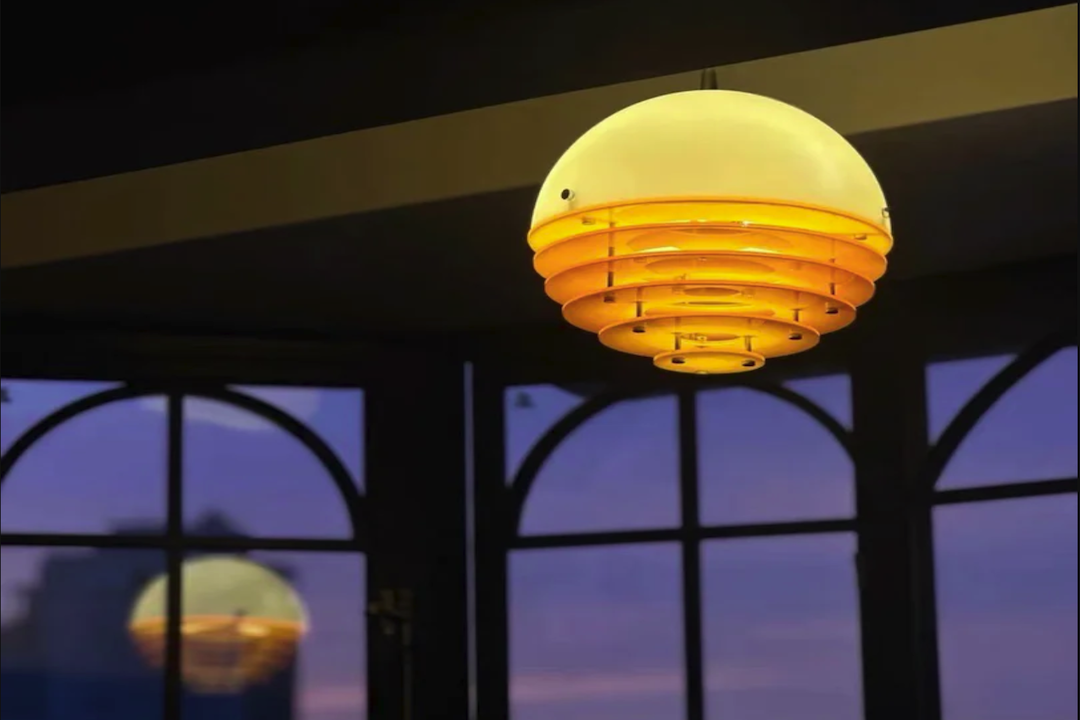
The “sunset gradient” in the lamp’s nomenclature is not a direct replication of a natural phenomenon but rather an abstraction. It represents an interpretation of a transitional color palette, moving from warmer hues to cooler ones, reminiscent of the sky during dusk or dawn. This abstraction aligns with Bauhaus principles that favored universal forms over explicit representation.
Functional Aesthetics
The pendant light’s aesthetic is inherently functional. Its shape, typically a cylinder or a truncated cone, is designed to direct light efficiently. The gradient itself serves not only as a decorative element but also as a subtle diffuser, influencing the perceived warmth or coolness of the emitted light. The design avoids embellishments that do not contribute to the lamp’s primary purpose: illumination.
Materiality and Transparency
The choice of materials is critical to achieving the desired effect. Typically, this type of fixture utilizes acrylic, polycarbonate, or specialized glass for its shade. These materials are selected for their light-diffusing properties and their ability to be uniformly colored or treated to achieve the gradient effect. The metal components, often aluminum or brass, provide structural integrity and a complementary textural contrast.
Manufacturing and Construction
The production of the Bauhaus Sunset Gradient Pendant Light involves several precise manufacturing techniques to ensure both aesthetic quality and structural soundness.
Gradient Application Techniques
Achieving a smooth, consistent color gradient is a key aspect of this design. Several methods are employed:
- Dyeing or Tinting: For acrylic or polycarbonate, the material itself can be infused with varying concentrations of dye during the manufacturing process, creating a seamless transition.
- Layering: Multiple layers of thin, subtly tinted films can be adhered to the interior or exterior of a transparent shade, building up the gradient effect. This method offers a high degree of control over color progression.
- Vapor Deposition: For higher-end versions, advanced coating techniques like physical vapor deposition (PVD) can be used to apply ultra-thin, precisely controlled layers of material that exhibit light-filtering properties, creating the gradient.
- Digital Printing: While less common for the primary light-emitting surface, digital printing directly onto clear substrates can create intricate gradient patterns. However, this method can sometimes lead to visible pixelation if not executed with high resolution.
Component Integration
The manufacturing process involves the integration of the gradient shade with external structural and electrical components.
- Housing and Mount: The upper housing, typically metal, secures the shade and contains the electrical wiring. This component is often machined or cast for precision.
- Suspension System: The pendant light is suspended by cables, which also carry electrical current. These cables are designed for both strength and aesthetic integration, often appearing as minimalist lines that blend with the overall design.
- Light Source Integration: Modern versions universally employ LED technology due to its efficiency, longevity, and small form factor. The LED module is carefully positioned to distribute light evenly across the gradient surface. Thermal management is also considered to ensure the longevity of the LED components.
Functional Attributes and Illumination Characteristics
Beyond its aesthetic appeal, the Bauhaus Sunset Gradient Pendant Light offers specific functional advantages and distinct illumination characteristics.
Light Distribution
The shade’s form and the gradient’s properties dictate the light distribution.
- Directional vs. Diffuse: While primarily designed to cast light downward, the gradient material allows for some lateral light dispersion, contributing to ambient illumination. The degree of translucency in the gradient directly impacts this balance.
- Color Temperature Influence: The gradient itself does not directly change the color temperature of the LED light source. However, the warmer hues in the gradient can filter the light emerging from that section, making it appear warmer, while cooler hues may enhance the perception of cooler light. This creates a psychological effect of varying color temperatures across the illuminated space.
Dimmability and Control
Modern iterations often incorporate sophisticated dimming capabilities.
- Phase-Cut Dimming: A common method compatible with standard residential wiring.
- 0-10V Dimming: Offers smoother and more precise control, often used in commercial or integrated smart home systems.
- Smart Lighting Integration: Many models are compatible with smart home platforms, allowing for remote control, scheduling, and integration with other devices. This enhances user convenience and energy management.
Energy Efficiency
By utilizing LED technology, the pendant light offers significant energy efficiency compared to incandescent or halogen alternatives. This translates to lower operating costs and a reduced environmental footprint, aligning with contemporary sustainability imperatives.
Contextual Relevance and Application
The Bauhaus Sunset Gradient Pendant Light finds its place in various interior design contexts, offering adaptability and a distinct visual statement.
Residential Applications
In private residences, this fixture serves multiple purposes:
- Dining Areas: Hung above a dining table, it provides focused illumination while adding a decorative element. The gradient can create a conducive atmosphere for dining.
- Kitchen Islands: Similar to dining areas, it offers task lighting and a design focal point.
- Bedsides: Smaller versions can serve as elegant bedside reading lamps.
- Entryways: Providing a welcoming glow and a strong design statement upon entering a home.
Commercial and Hospitality Settings
The fixture’s clean lines and modern aesthetic make it suitable for commercial environments.
- Restaurants and Cafes: Contributing to ambiance and branding. Multiple pendants can be arranged in clusters or rows.
- Boutique Hotels: Enhancing the aesthetic of lobbies, corridors, and guest rooms.
- Office Spaces: Providing sophisticated task lighting in collaborative zones or individual workstations, particularly in design-oriented companies.
Design Versatility
The minimalistic form allows for integration into diverse interior design schemes:
- Modern and Contemporary: Naturally complements these styles due to its inherent clean lines and geometric forms.
- Minimalist: Its understated elegance and focus on essential elements align perfectly with minimalist principles.
- Industrial: Can provide a softer element in an otherwise raw industrial setting, particularly when paired with metallic finishes.
- Transitional: Can act as a bridge between traditional and modern elements, offering a contemporary twist without being overly avant-garde.
Maintenance and Longevity
Proper maintenance ensures the longevity and continued aesthetic appeal of the Bauhaus Sunset Gradient Pendant Light.
Cleaning Procedures
The shade materials, typically acrylic or glass, require careful cleaning.
- Dusting: Regular dusting with a soft, lint-free cloth prevents accumulation.
- Gentle Cleaning: For deeper cleaning, a mild soap solution and a soft cloth are recommended. Abrasive cleaners or harsh chemicals should be avoided as they can damage the gradient finish or scratch the surface.
- Dry Wiping: After wet cleaning, ensure the surface is thoroughly dried to prevent water spots.
LED Lifespan and Replacement
The integrated LED modules are designed for extended operational life, often exceeding 50,000 hours.
- Non-Replaceable LEDs: In many designs, the LEDs are integrated into the fixture and are not user-replaceable. This is a design decision that often allows for more compact and aesthetically seamless integration.
- Manufacturer Support: In cases of LED failure, the entire fixture or a designated component may need to be serviced or replaced by the manufacturer or a qualified electrician. It is crucial to consult the product’s warranty and user manual for specific guidance.
Conclusion
The Bauhaus Sunset Gradient Pendant Light is more than a simple illumination device; it is a testament to the enduring influence of a fundamental design philosophy, translated into a contemporary idiom. By adhering to principles of functionalism, thoughtful materiality, and sophisticated manufacturing, it transcends its primary purpose to become a significant contributor to the ambiance and aesthetic integrity of interior spaces. It demonstrates how historical design movements can continually inspire new forms, offering solutions that are both visually compelling and practically efficient, serving as a beacon of modern design in the contemporary built environment.