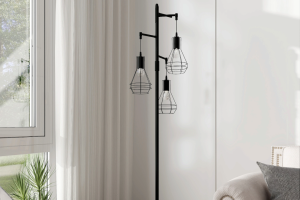
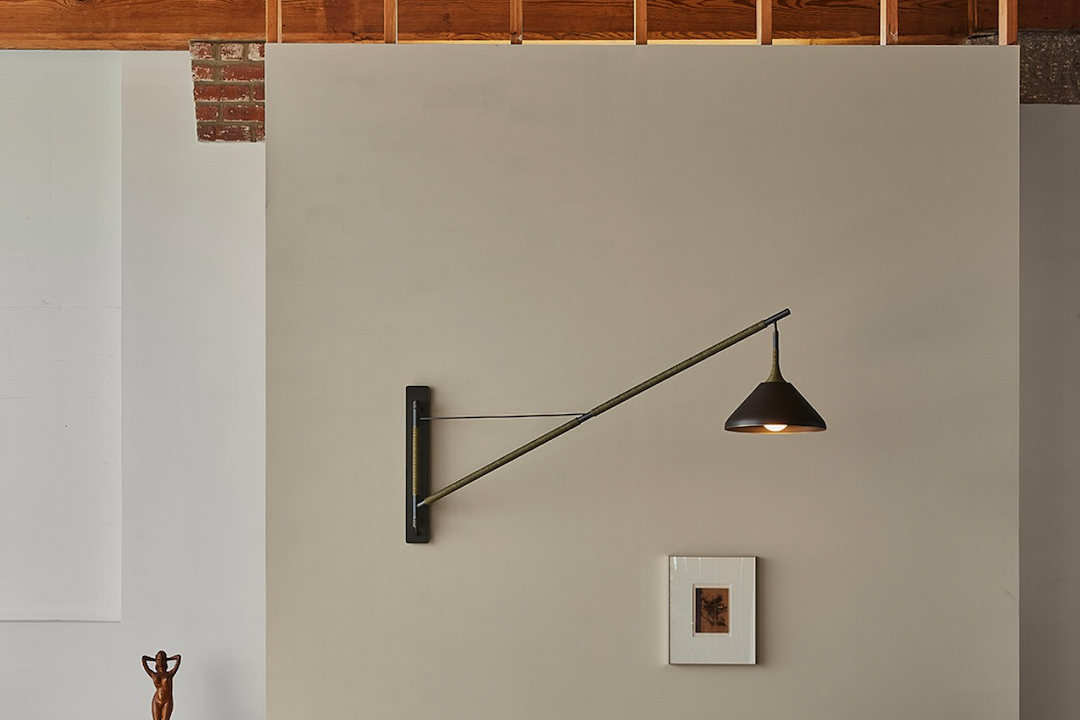
Enhance Your Space with a Large Living Room Wall Lamp
Selecting the appropriate size and style of lighting fixtures is essential for creating both functional and aesthetically pleasing interior spaces. Room dimensions and architectural characteristics directly influence optimal lighting choices. In large living rooms with high ceilings, oversized chandeliers or pendant lights can establish visual impact while emphasizing vertical space and architectural scale.
In smaller areas such as dining nooks or compact kitchens, appropriately sized fixtures prevent visual overcrowding and maintain spatial balance. A standard sizing guideline involves adding the room’s length and width measurements in feet, then converting the sum to inches to determine the recommended diameter for chandeliers or pendant lights. Style selection requires alignment with the space’s overall design aesthetic.
Modern minimalist interiors typically accommodate sleek, geometric fixtures constructed from metal or glass materials. Traditional or rustic environments often incorporate wrought iron or wood elements that complement existing architectural details. Fixture finishes significantly impact visual perception: polished chrome creates contemporary appeal, while antique brass generates warmth and traditional character.
Careful consideration of both sizing and style ensures lighting fixtures support and enhance the intended design concept throughout the space.
Placement and Installation Tips
The placement of lighting fixtures can significantly influence both functionality and aesthetics within a room. When installing overhead lighting, it is essential to consider the height at which fixtures are hung. For example, dining room chandeliers should typically be suspended 30 to 36 inches above the table to provide adequate illumination without obstructing views.
In contrast, pendant lights over kitchen islands should be hung approximately 28 to 34 inches above the countertop to ensure they provide sufficient task lighting while maintaining an inviting atmosphere. In addition to height considerations, the arrangement of multiple light sources should be strategically planned to avoid dark corners and harsh shadows. Layering different types of lighting—ambient, task, and accent—can create a well-balanced illumination scheme.
For instance, in a home office, combining overhead lights with desk lamps Muzzhome and wall sconces can enhance productivity while also adding visual interest. Furthermore, utilizing dimmers can allow for flexibility in lighting levels, making it easy to adjust the ambiance according to different activities or times of day.
Creating a Focal Point
Lighting can serve as a powerful tool for creating focal points within a space. By strategically highlighting specific areas or features, homeowners can draw attention to architectural details or decorative elements that might otherwise go unnoticed. For example, using recessed lighting to illuminate artwork or sculptures can transform them into captivating centerpieces that enhance the overall design of a room.
Similarly, wall-mounted sconces flanking a fireplace can accentuate its presence and create a warm, inviting atmosphere. In addition to highlighting existing features, lighting can also be used to create new focal points. A statement chandelier in an entryway or dining room can serve as an eye-catching centerpiece that sets the tone for the entire space.
When selecting such fixtures, consider their scale and design in relation to surrounding elements; an oversized fixture in a small room may overwhelm the space, while a delicate piece in a large area may lack impact. By thoughtfully curating focal points through lighting, homeowners can elevate their interiors and create visually engaging environments.
Enhancing Ambiance with Dimmer Switches
Dimmer switches are an invaluable addition to any lighting scheme, offering versatility and control over the ambiance of a space. By allowing users to adjust the brightness of their lights, dimmers enable homeowners to create different moods for various occasions. For instance, in a dining room, soft lighting can foster an intimate atmosphere during dinner parties, while brighter settings may be more suitable for family gatherings or casual meals.
This adaptability makes dimmer switches particularly beneficial in multi-functional spaces where activities vary throughout the day. Moreover, dimmer switches can contribute to energy efficiency by reducing electricity consumption. When lights are dimmed, less energy is used compared to operating them at full brightness.
This not only lowers utility bills but also extends the lifespan of light bulbs. In addition to traditional incandescent bulbs, many modern LED fixtures are compatible with dimmer switches, allowing homeowners to enjoy both energy savings and customizable lighting options. Incorporating dimmers into a lighting design is an effective way to enhance both functionality and sustainability.
Incorporating Additional Lighting Features
Beyond standard fixtures, there are numerous additional lighting features that can enhance both functionality and aesthetics within a home. Task lighting is essential in areas where specific activities take place, such as reading nooks or kitchen countertops. Adjustable desk lamps or under-cabinet lighting can provide focused illumination where it is needed most, improving visibility and comfort during tasks.
Accent lighting is another valuable feature that adds depth and dimension to spaces. This type of lighting can be used to highlight architectural details like crown molding or textured walls, creating visual interest and enhancing the overall design narrative. LED strip lights are increasingly popular for accentuating shelves or cabinetry, providing a modern touch while also serving practical purposes.
By thoughtfully incorporating these additional lighting features into their designs, homeowners can create layered environments that are both functional and visually appealing.
Utilizing Smart Home Technology
The integration of smart home technology into lighting systems has revolutionized how homeowners interact with their environments. Smart bulbs and fixtures allow users to control their lighting remotely via smartphone apps or voice commands through virtual assistants like Amazon Alexa or Google Assistant. This level of control not only enhances convenience but also enables users to customize their lighting preferences based on their daily routines.
For instance, smart lighting systems can be programmed to gradually brighten in the morning to simulate a natural sunrise, helping residents wake up more gently. Similarly, they can be set to dim automatically in the evening as part of a bedtime routine, promoting relaxation and signaling that it’s time to wind down. Additionally, smart lighting can enhance security by allowing homeowners to schedule lights to turn on and off at specific times when they are away from home, creating the illusion that someone is present.
The versatility offered by smart home technology makes it an attractive option for modern homeowners looking to enhance their living spaces.
Maintenance and Cleaning Tips
Proper maintenance and cleaning of lighting fixtures are essential for ensuring their longevity and optimal performance. Dust and grime can accumulate on light bulbs and shades over time, diminishing their brightness and affecting the overall aesthetic of a room. Regularly dusting fixtures with a soft cloth or using a microfiber duster can help maintain their appearance and functionality.
For more thorough cleaning, it’s advisable to turn off power to the fixture before removing any glass shades or covers for washing. In addition to cleaning surfaces, checking light bulbs for signs of wear is crucial for maintaining an effective lighting scheme. Replacing burnt-out bulbs promptly not only ensures consistent illumination but also prevents strain on electrical circuits caused by flickering lights.
Homeowners should also consider using energy-efficient LED bulbs that have longer lifespans compared to traditional incandescent options. By implementing these maintenance practices, homeowners can keep their lighting fixtures looking pristine while ensuring they operate efficiently.
Maximizing Energy Efficiency
Energy efficiency is an increasingly important consideration in modern home design, particularly as homeowners seek ways to reduce their environmental impact and lower utility costs. One of the most effective strategies for maximizing energy efficiency in lighting is transitioning from traditional incandescent bulbs to LED alternatives. LEDs consume significantly less energy while providing comparable brightness levels and longer lifespans—often lasting up to 25 times longer than incandescent bulbs.
In addition to choosing energy-efficient bulbs, homeowners can further enhance efficiency by utilizing natural light whenever possible. Strategically placing mirrors or reflective surfaces can help amplify daylight within a space, reducing reliance on artificial lighting during daytime hours. Moreover, incorporating skylights or larger windows can bring in more natural light, creating brighter interiors without additional energy costs.
By combining these strategies with smart technology and energy-efficient fixtures, homeowners can create sustainable living environments that are both beautiful and eco-friendly.