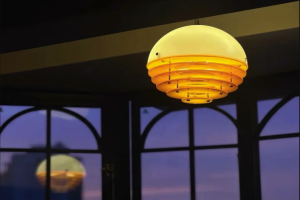
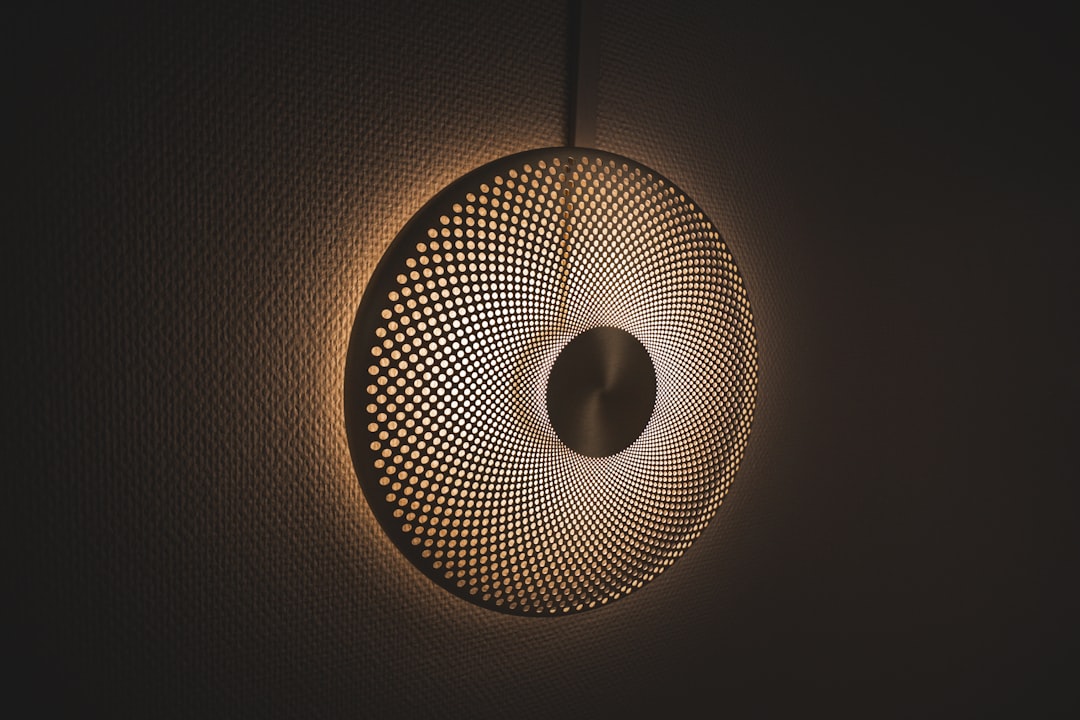
Vibrant Sunset Glow: Acrylic Lamp
This article examines the “Vibrant Sunset Glow: Acrylic Lamp,” a lighting fixture designed to simulate the warm, rich hues observed during a sunset. This lamp, often marketed for its aesthetic and mood-enhancing properties, utilizes specific material science and optical principles to achieve its characteristic illumination.
The “Vibrant Sunset Glow: Acrylic Lamp” typically consists of several key components that work in conjunction to create its distinctive light output. Understanding these components provides insight into the lamp’s functionality.
Casing and Base
The lamp’s outer structure, or casing, often serves both protective and aesthetic functions.
Material Composition
Acrylic (polymethyl methacrylate, PMMA) is the primary material for the light-emitting components due to its optical clarity, durability, and ease of fabrication. Other materials, such as ABS plastic, aluminum, or wood, may be used for the base or support structures, contributing to the lamp’s stability and overall visual appeal. The choice of base material can influence heat dissipation and the lamp’s perceived value.
Structural Integrity
The casing is engineered to house the internal light source and optical elements securely. Design considerations include resistance to impact, stability on various surfaces, and provisions for power input. The base often contains counterweights or non-slip feet to prevent accidental tipping.
Light Source Technology
The light source is central to the lamp’s ability to emulate a sunset. Modern lamps in this category primarily rely on LED technology.
LED Emitters
Light-emitting diodes (LEDs) are preferred for their energy efficiency, longevity, and precise control over color output. Unlike incandescent bulbs, LEDs generate light through electroluminescence, allowing for a broader spectrum of achievable colors and dynamic color transitions. The specific type of LEDs used, such as RGB (Red, Green, Blue) tricolor LEDs or arrays of individual color LEDs, determines the lamp’s color mixing capabilities.
Color Temperature and Spectrum
The “sunset glow” effect is achieved by manipulating the color temperature and spectral distribution of the emitted light. Sunsets are characterized by a dominance of longer wavelengths, particularly reds, oranges, and yellows, due to Rayleigh scattering in the atmosphere. The lamp’s LEDs are specified to replicate these warmer color temperatures, typically ranging from 1800K to 3000K, and often include specific spectral peaks to mimic natural twilight.
Optical Elements
Beyond the light source, several optical elements are integrated into the lamp’s design to shape and diffuse the light, contributing to the sunset simulation.
Diffusion Layers
Diffuser materials, often made from frosted acrylic or polycarbonate, are strategically placed to spread the light evenly and eliminate harsh spots or individual LED visibility. These layers contribute to the soft, gentle gradient characteristic of a sunset. The thickness and light transmission properties of these layers are precisely controlled during manufacturing.
Reflectors and Lenses
Some designs incorporate internal reflectors to maximize light output and direct it efficiently. Lenses, particularly those with specific beam angles, may be used to create a more focused or expansive projection, depending on the lamp’s intended effect. For instance, a wider beam angle can simulate a broad horizon, while a narrower focus might create a more intense “sun disk.”
Operational Functionality
The “Vibrant Sunset Glow: Acrylic Lamp” is not merely a static light source; its functionality often extends to dynamic adjustments and user control.
Power and Control Mechanisms
The lamp typically operates on low-voltage DC power, supplied via a wall adapter or USB. Control mechanisms vary from simple on/off switches to sophisticated digital interfaces.
User Interface
Basic models may feature a single button for cycling through preset color modes or brightness levels. More advanced versions incorporate touch controls, rotary dials, or remote controls, allowing for finer adjustments to color, brightness, and effects. The user interface aims for intuitive operation, providing access to the lamp’s features without complexity.
Connectivity and Smart Features
Some iterations integrate smart home connectivity, enabling control via smartphone applications or voice assistants. This allows for scheduled operation, remote control, and synchronization with other smart devices within a connected ecosystem. Protocols such as Wi-Fi or Bluetooth are commonly employed for this purpose.
Dynamic Lighting Modes
The lamp’s ability to transition between colors and brightness levels is a defining characteristic, differentiating it from static lamps.
Gradient Transitions
A core feature is the smooth transition between various sunset hues. These gradients can be programmed to simulate the progression of a sunset from bright yellow to deep red. The speed and fluidity of these transitions are important for maintaining an immersive effect.
Simulating Natural Phenomena
Beyond basic color changes, some lamps may offer modes that attempt to mimic specific sky phenomena. This could include subtle flickering to simulate distant clouds, or programs that adjust intensity to replicate the lowering of the sun. The accuracy of these simulations relies on advanced LED control and pre-programmed algorithms.
Optical Principles and Effects
The “Vibrant Sunset Glow: Acrylic Lamp” leverages fundamental optical principles to create its desired visual output.
Rayleigh Scattering Simulation
While the lamp itself does not scatter light in the same way the atmosphere does, it simulates the result of Rayleigh scattering. By emitting light predominantly in the red, orange, and yellow spectrum, the lamp re-creates the light conditions observed when atmospheric scattering removes shorter wavelengths of sunlight. This is a form of biomimicry in optical design.
Color Mixing and Additive Synthesis
LED technology enables additive color mixing. Red, Green, and Blue LEDs, when combined at varying intensities, can produce a broad spectrum of colors. To create the sunset effect, the lamp primarily uses red and amber LEDs, and adjusts the intensity of blue or green channels downwards to maintain the warm color profile.
Perceptual Effects of Color
The dominance of warm colors (red, orange, yellow) in the lamp’s output is known to have specific psychological and physiological effects on human perception. These colors are frequently associated with warmth, comfort, and relaxation. The lamp capitalizes on these associations to promote a particular mood or atmosphere.
Applications and Intended Use
The “Vibrant Sunset Glow: Acrylic Lamp” is marketed for a variety of applications, primarily revolving around ambiance and mood enhancement.
Aesthetic Illumination
The primary use of this lamp is for decorative lighting. Its ability to cast warm, often diffuse light, serves to create a specific visual aesthetic in domestic or commercial spaces.
Home Decor Integration
In residential settings, the lamp functions as a piece of decor, complementing interior design themes. It can be placed in living rooms, bedrooms, or studies to add visual interest and a sense of warmth. Its design often aims to be minimalist or contemporary to blend with modern interiors.
Photography and Videography
The lamp’s ability to produce consistent, controlled warm lighting makes it useful for content creators. Photographers and videographers may use it to create specific lighting effects for portraits, product shots, or background ambiance, providing a convenient alternative to natural sunset light.
Mood and Wellness Enhancement
Beyond aesthetics, the lamp is often presented as a tool for creating a calming or stimulating environment, depending on the specific application.
Relaxation and Atmosphere
The warm, low-intensity light emitted by the lamp is often promoted as conducive to relaxation. In spaces intended for unwinding, such as meditation rooms or reading nooks, the “sunset glow” can contribute to a serene atmosphere. The absence of harsh blue light, particularly in the later hours, aligns with recommendations for sleep preparation.
Circadian Rhythm Support (Simulated)
While the lamp does not fully replicate the physiological effects of natural sunlight, its warmer color temperatures and dimmable features can be utilized to minimize exposure to blue light in the evenings. This is relevant for individuals attempting to regulate their circadian rhythms, as blue light exposure late at night can interfere with melatonin production. It is important to note that this is a simulated and supportive role, not a direct replacement for natural light exposure.
Maintenance and Considerations
Owning a “Vibrant Sunset Glow: Acrylic Lamp” involves basic maintenance and an understanding of its limitations.
Cleaning and Care
Acrylic surfaces and electronic components require specific care to ensure longevity and optimal performance.
Surface Cleaning
Acrylic components should be cleaned with a soft, lint-free cloth and a mild, non-abrasive cleaner. Ammonia-based cleaners can damage acrylic, leading to cloudiness or stress cracks. Regular dusting prevents buildup that could obscure light output.
Electronic Component Care
The internal electronics are generally sealed and do not require user maintenance. However, ensuring adequate ventilation around the lamp prevents heat buildup, which can prolong the life of the LEDs and associated circuitry. Avoid exposing the lamp to excessive moisture or extreme temperatures.
Longevity and Environmental Impact
The lamp’s lifespan and environmental footprint are considerations for consumers.
LED Lifespan
LEDs have a significantly longer operational lifespan compared to traditional incandescent bulbs, often rated for tens of thousands of hours. This reduces the frequency of replacement and associated waste. However, the lifespan of the entire lamp system also depends on the durability of control circuitry and power supplies.
Material Recyclability
The primary material, acrylic, is generally recyclable, although recycling infrastructure for PMMA can vary by region. Other materials like ABS plastic or aluminum used in the base or casing may also be recyclable. Consumers should consult local recycling guidelines for proper disposal at the end of the lamp’s life cycle. The energy consumption of these lamps is typically low due to LED efficiency, contributing to a reduced carbon footprint during operation.